

A Supplement Facts amount usually refers to the full serving shown at the top of the panel. If that serving is four capsules, the listed amounts are for all four together. Read the serving size before the nutrient numbers, then keep the amount, unit and ingredient form together as you compare bottles.
In this guide
Work through one fictional label
| Label statement | What it means |
|---|---|
| Serving size: 4 capsules | Every per-serving amount below refers to four capsules together. |
| Magnesium: 200 mg per serving | The declared amount for four capsules is 200 mg. |
| One capsule | One-quarter of that serving; 50 mg on a proportional label calculation. |
This example teaches label arithmetic. It does not recommend changing a product’s directions or personal dose.
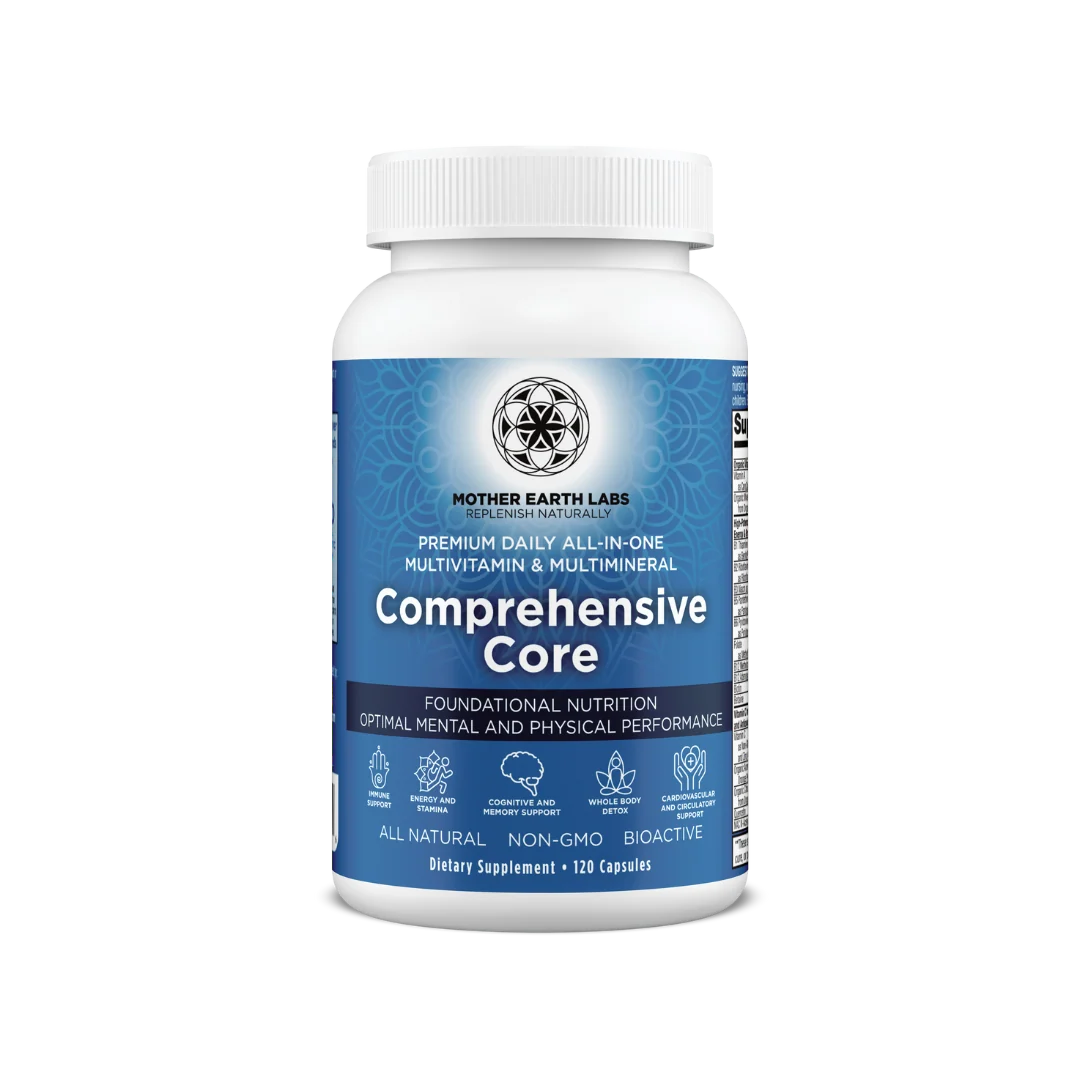
This is a reading skill you can use across products. Comprehensive Core and pH Balancer provide practical examples, while their full guides remain the references for the complete panels.
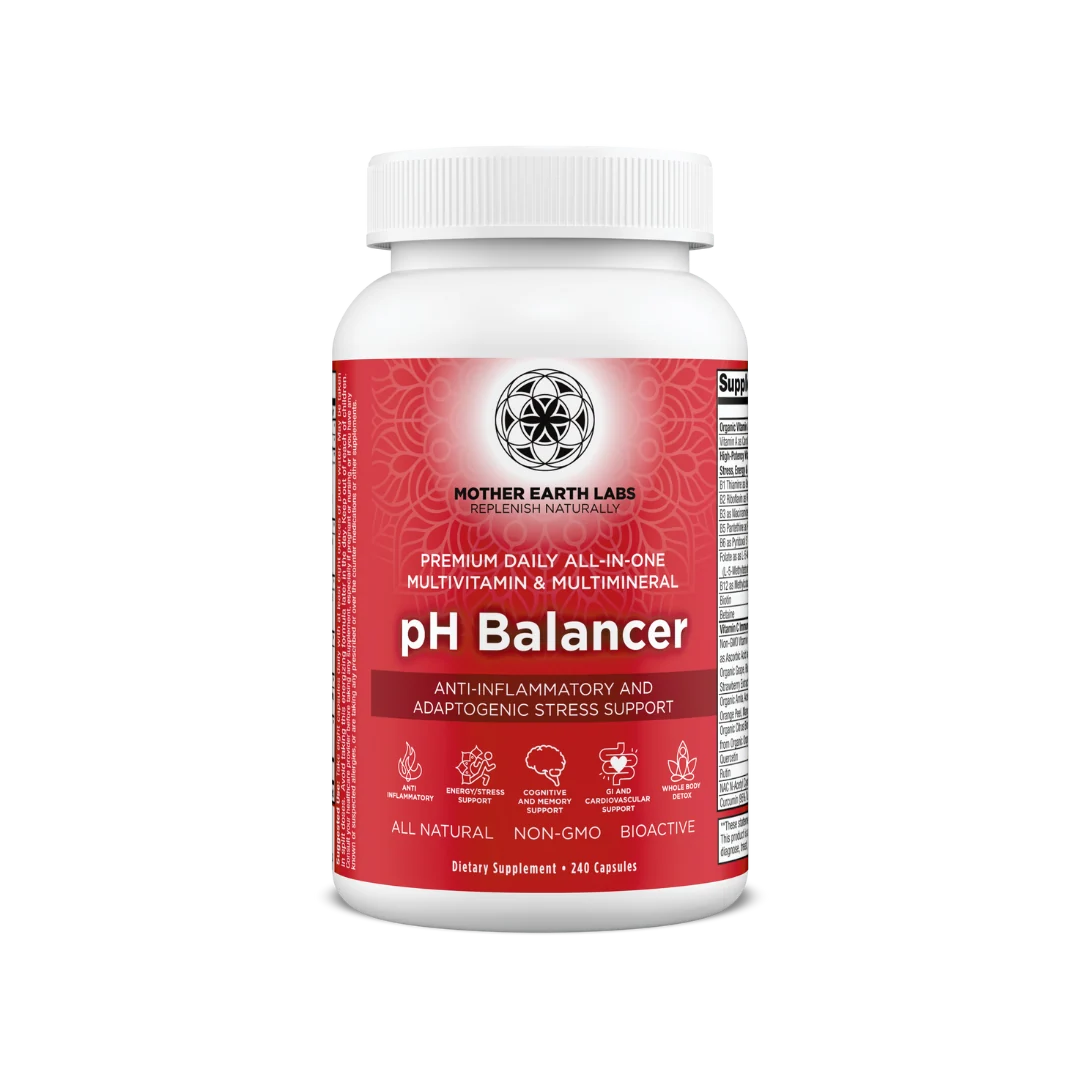
To identify the products used in the examples, Affiliate Disclosureview Comprehensive Core capsules Affiliate Disclosure and explore pH Balancer capsules Affiliate Disclosure. Keep the correct product format in view as you read.
Step one: circle the serving size
The quantities in the panel relate to its stated serving. On the reviewed Core capsule label, that serving is four capsules. On the reviewed pH Balancer capsule label, it is eight. The amount printed beside a nutrient is therefore not automatically the amount in a single capsule.
For a liquid, look for the stated volume. Both reviewed liquid panels use 1 fl oz. Before comparing a liquid and a capsule panel, make sure you are comparing the full serving shown on each one. Follow the current product directions rather than building a personal dosing plan from a calculation.
| Product | Capsules per labeled serving | Calcium per full serving | Calculated average per capsule |
|---|---|---|---|
| Comprehensive Core | 4 | 150 mg | 150 ÷ 4 = 37.5 mg |
| pH Balancer | 8 | 200 mg | 200 ÷ 8 = 25 mg |
Notice the change in comparison: pH Balancer declares more calcium per full serving in this example, while Core has the larger calculated average per capsule. The denominator changes the answer. These figures are label arithmetic, not laboratory measurements of individual capsules, and they do not recommend reducing or changing either product’s serving.
Step two: keep the amount and unit together
The number alone is incomplete. Milligrams are written as mg; micrograms as mcg. One milligram equals 1,000 micrograms. A number expressed in mcg cannot be directly compared with the same number expressed in mg.
Other entries use units that incorporate a nutrient-specific convention, such as mcg DFE for dietary folate equivalents or mcg RAE for vitamin A. Keep that full unit in your notes. A quick label comparison should not strip away the letters that explain what the amount represents.
| Example | How to read it |
|---|---|
| Amount listed per four-capsule serving | Use the full four-capsule serving when comparing the declared formula with another complete serving. |
| 1 mg and 1,000 mcg | These express the same mass in different units. Identify the actual nutrient and its form before drawing a further conclusion. |
Step three: use % Daily Value as a reference
The FDA’s Daily Values provide common reference amounts for label comparisons. The percentage tells you how the declared amount in a serving relates to that reference. It is not a personalized prescription or the same thing as an upper intake limit.
A higher percentage does not automatically mean the product is a better match for you. It tells you to place that nutrient amount in context with your diet, other supplements, and any individualized advice. An asterisk indicating that a Daily Value is not established is also different from a nutrient having no effect or requiring no review.
Plain-English example: 25% Daily Value means one labeled serving contributes one quarter of that nutrient’s labeling reference amount. The calculation is amount per serving ÷ Daily Value × 100. For calcium, FDA’s current reference is 1,300 mg, so 130 mg would be 10% DV. This reference is not the same as a personal requirement or upper limit.
Step four: read the form beside the nutrient
Forms may appear in parentheses or in the nutrient name itself. “Vitamin B12” identifies the vitamin; “methylcobalamin” identifies a form. “Magnesium” identifies the mineral; the accompanying source describes how it is supplied in that preparation.
Record the nutrient, amount, and source as one entry. Avoid deciding from a familiar technical word alone. The whole serving, formulation, and personal circumstances still matter.
 Affiliate Disclosure
View this format at Mother Earth Labs.
 Affiliate Disclosure
View this format at Mother Earth Labs.
Step five: read proprietary blends and their total weights
A blend can have a combined weight and a list of ingredients without separately stating the weight of each constituent. The total belongs to the blend. It should not be copied into a note as the dose of each named herb.
For an ingredient-specific question, note the exact name and whether its amount is separately declared. Our Core guide and pH Balancer guide keep individually listed nutrients and blend information distinct. You can review current pH Balancer capsule information Affiliate Disclosure alongside those explanations.
Step six: finish with Other Ingredients and directions
Read the materials listed outside the nutrient panel, along with directions, cautions, and storage instructions. These may answer questions about capsule materials, the liquid preparation, and ingredients you prefer to avoid or need to discuss.
Also confirm the exact version and container you are purchasing. A familiar product name does not guarantee that liquid and capsules have identical panels. Check your current packaging, especially when comparing a saved image with a new order.
Put your notes to work
Choose one nutrient line and explain it in a full sentence: “This serving provides this amount of this nutrient, in this named form.” Then choose one blend and describe what the panel actually quantifies. If you can do both, you have already avoided two common comparison errors.
Use the detailed formula comparison for product-specific tables, or the decision guide to connect your notes with your priorities. Ask a qualified healthcare professional to help interpret personal suitability and total intake.
The goal is not to memorize every ingredient. It is to know which questions the label answers and which questions still need individual context. The named product options below let you continue practicing with real panels.
Explore specific label questions
Use these focused guides when a panel raises a more specific question:
- Extract ratios and standardized percentages describe different parts of a botanical label.
- Drops, dropperfuls and marked milliliters help you identify the stated liquid measure.
- Protein powder Facts panels explain why similar products can use different panel headings.
- Matching a lab report to your bottle adds the product and lot checks that a label alone cannot supply.
- Organic ingredient and finished-product claims require checking the scope of certification.
Vitamin D can appear in both mcg and IU beside a Daily Value percentage. Use our vitamin D label-units guide to convert the amount while keeping the stated serving size in view.
Sources and educational scope
- FDA: Daily Value on Nutrition and Supplement Facts Labels
- FDA: Dietary Supplement Labeling Guide—Nutrition Labeling
Product-label examples refer to the original panels preserved in our guides and reviewed October 18, 2026. Formulations and packaging may change; use the current container and manufacturer information. By Dr. Rich Prather, D.C. · Published by Grateful Lab Services. Educational information does not replace individualized medical advice. These products are not intended to diagnose, treat, cure, or prevent disease. Privacy Policy · Articles & Research.