
Enzyme milligrams describe weight; HUT, DU, FIP and other activity units describe performance in particular tests. There is no universal conversion from one to the other. Compare the same enzyme activity, in the same units and on the same serving basis, rather than adding all enzyme numbers into one total. [1] [2] [3]
Why the biggest printed number may be the wrong comparison
Suppose one fictional label gives a protease activity in HUT and another gives lipase activity in FIP. A larger number on the first label does not make it a stronger version of the second: they describe different enzyme activities. First match the enzyme and unit; only then compare the amount per full serving.
Start with one enzyme and one unit. A lipase entry in FIP can be compared with another lipase entry in FIP on a consistent assay basis. Adding that number to a protease result in HUT would produce a total with no useful meaning. [3]
The mass of a blend and the activity of an enzyme
A capsule label might tell you both how much an enzyme complex weighs and the measured activities of enzymes inside it. Those entries answer different questions. The complex’s weight is not the weight of each individual enzyme, and its activity figures are not extra milligrams to add to the serving.
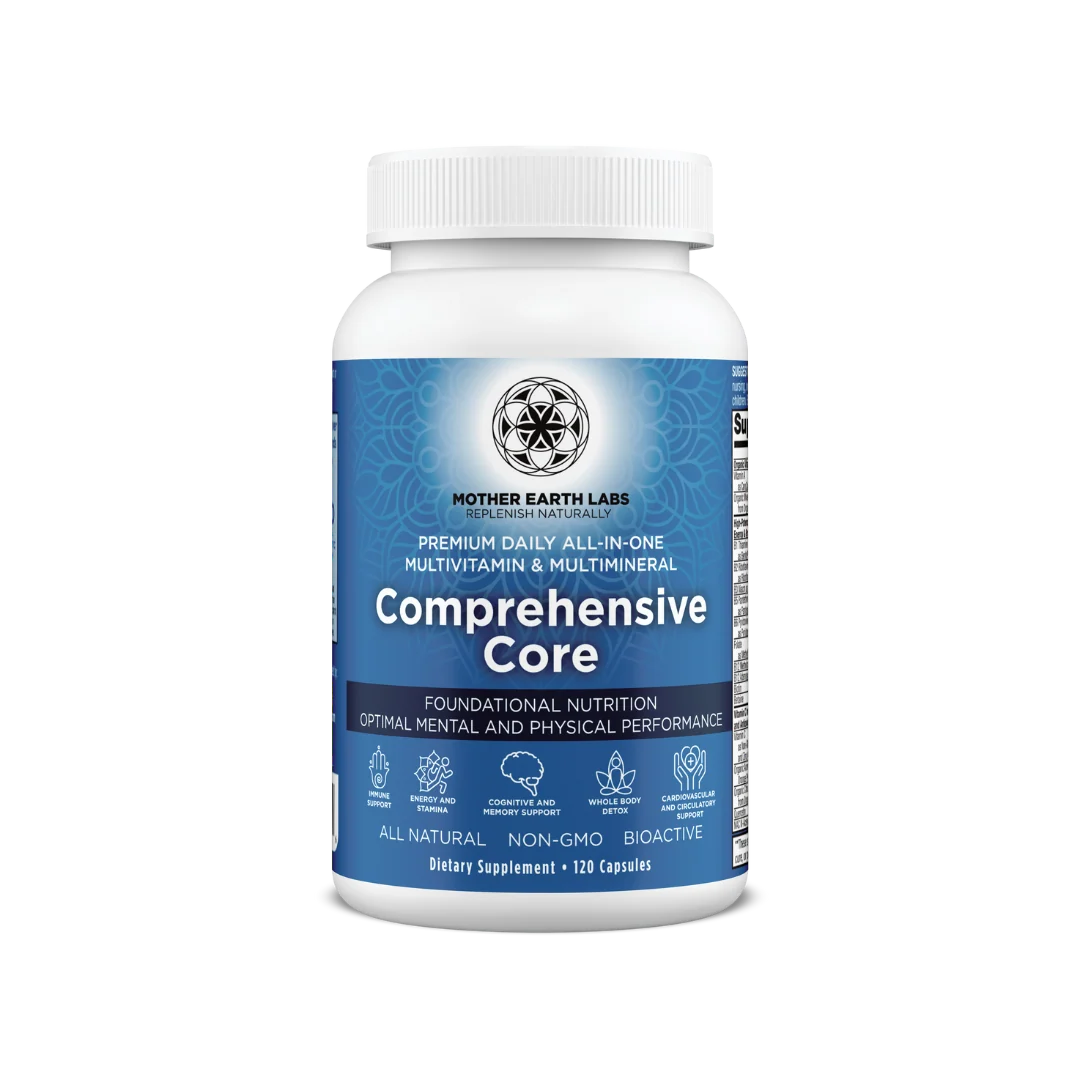
For example, the posted Comprehensive Core capsule panel lists a 25 mg digestive enzyme complex. Within that entry, protease 1 is listed at 5,250 HUT and lipase at 125 FIP per four-capsule serving. The 25 mg describes the complex; it does not establish 25 mg of protease or a general conversion rate for every enzyme preparation. [2]
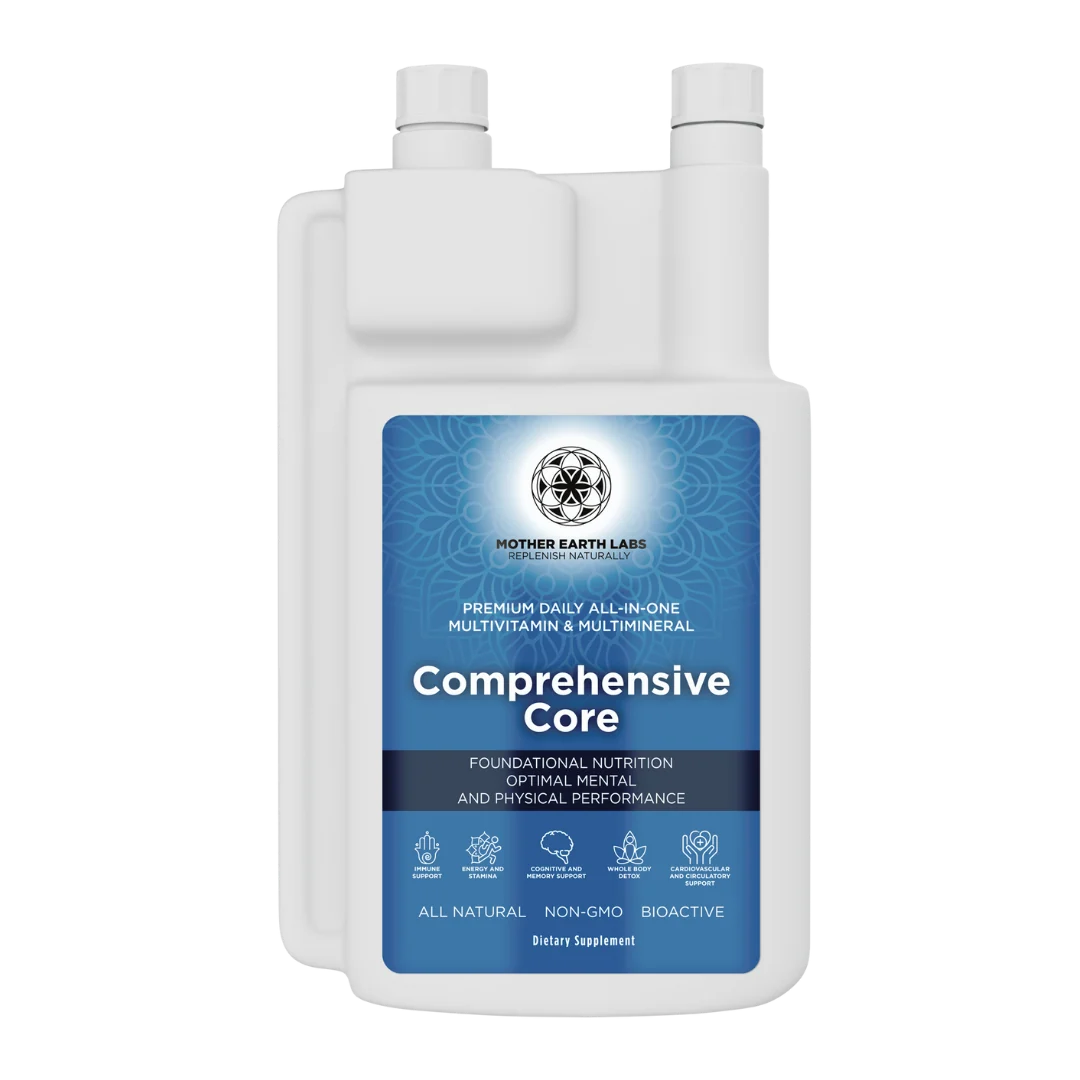
The letters identify the measurement system as well as the number. HUT is a protease assay unit; DU appears with amylase, and FIP appears with lipase on the Core liquid panel. These are different tests, rather than interchangeable measures of a single substance. [1][3]
A comparison using the current posted Core panels
The following figures come from the manufacturer’s posted labels reviewed October 19, 2026. Keep the full serving in view: one fluid ounce of liquid and four capsules. These are label comparisons, not instructions to substitute one amount for another. [1][2]
| Entry | Liquid per 1 fl oz | Capsules per 4 | Comparison |
|---|---|---|---|
| Protease 1 | 5,250 HUT | 5,250 HUT | Same listed HUT activity |
| Lipase | 250 FIP | 125 FIP | Liquid lists twice the FIP activity |
For lipase, the calculation is 250 FIP ÷ 125 FIP = 2. Both entries name the same enzyme and unit, so the ratio describes their listed activities per labeled serving. It does not show that one format will produce twice the digestive benefit.
The protease comparison gives a different answer: 5,250 HUT ÷ 5,250 HUT = 1. A higher number in the lipase row does not make the entire liquid formula “twice as strong.” The comparison belongs to that row.
What happens when the serving changes
Suppose another label gives lipase activity for two capsules while the panel you are holding gives it for four. Compare the full listed servings first. If a per-capsule figure helps explain the denominator, Core’s 125 FIP ÷ 4 = 31.25 FIP per capsule as an arithmetic average. That calculation does not establish a different recommended serving or laboratory-test an individual capsule.
This is where otherwise sensible comparisons often go sideways: a number is copied without its serving, or the weight of a multi-enzyme complex is treated as though it belonged to one enzyme. Write the enzyme name, unit and serving beside every number before doing any division.
Use a three-line comparison note
A useful note can be as short as this: “I am comparing lipase. Both labels use FIP. The figures apply to one fluid ounce and four capsules, respectively.” Then record the two values and the ratio. If the units or assay basis differ, leave the ratio blank until the manufacturer supplies an appropriate comparison.
Even matching activity units describe a test result under specified conditions, not a complete account of what happens after swallowing a product. The full formula, directions and the evidence for the particular preparation still matter. Health Canada’s enzyme monograph is useful here for assay definitions; it is not an approval or clinical evaluation of Comprehensive Core. [3]
Where to look next
For the rest of the formula and its two formats, see the Comprehensive Core product guide. If the serving line itself is the sticking point, the Supplement Facts label guide explains that part of the comparison.
To examine the exact manufacturer options, use Affiliate DisclosureComprehensive Core liquid in the dispensing quart Affiliate Disclosure or Comprehensive Core capsules Affiliate Disclosure. Read the label on the product you receive before applying the example to your own bottle.
Sources
- Mother Earth Labs. Comprehensive Core dispensing-quart label; 1 fl oz serving. Posted panel reviewed October 19, 2026.
- Mother Earth Labs. Comprehensive Core capsule label; four-capsule serving. Posted panel reviewed October 19, 2026.
- Health Canada. Digestive Enzymes monograph, June 26, 2026; Appendix I assay definitions. Canadian guidance used for terminology.