

Product and label review: October 24, 2026. By Dr. Rich Prather, D.C.
Bioactive B-Complex brings named B-vitamin forms together with choline, TMG, magnesium and zinc in a two-capsule serving. Its distinguishing features include two folate entries and two B12 forms. This guide explains those names, the full-serving amounts and how to compare the formula with a multivitamin you already use.
A form name is the beginning of a comparison
Read each entry in three parts: vitamin name, ingredient form and amount per two capsules. For example, the B6 line identifies P5P and 40 mg, while the B12 lines identify methylcobalamin and adenosylcobalamin separately. Keeping the names and amounts together makes the label easier to follow.
B vitamins help the body use nutrients from food and maintain normal cellular functions. The named forms explain how the product supplies those vitamins. Read on for a straightforward guide to the coenzyme abbreviations, folate units and additional nutrients in the formula.
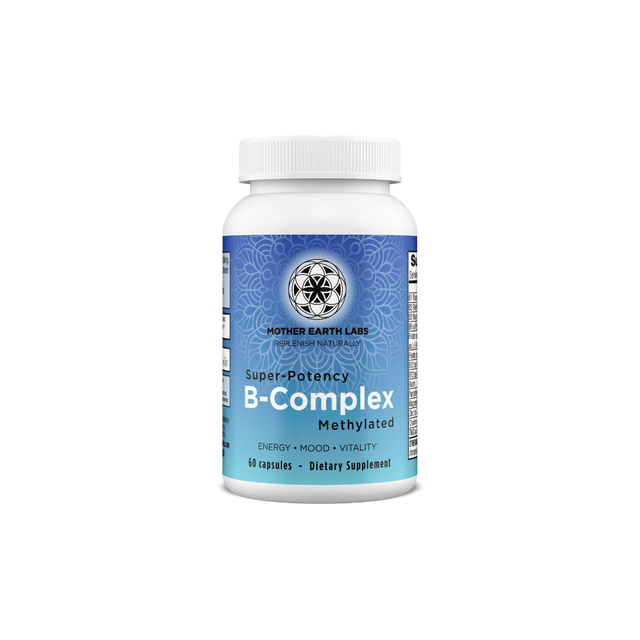
Affiliate DisclosureBuy Now — Bioactive B-Complex Capsules – Methylated B Vitamins with L-5-MTHF Affiliate Disclosure. Check the current label, availability and purchase options before ordering.
The current two-capsule serving
The label specifies two capsules per serving, with 30 servings in a 60-capsule bottle. Its B12 entries are separately declared, and its folate entries use dietary folate equivalents, abbreviated DFE. These units should be retained when summarizing the panel.
There are eight recognized essential B vitamins, and a formula can supply more than one form of the same vitamin. That explains how this label can contain several form-specific entries within a B-complex. Its two B12 amounts are 288 mcg methylcobalamin and 180 mcg adenosylcobalamin, totaling 468 mcg per full serving.
| Label entry | Amount per serving |
|---|---|
| B1, benfotiamine | 75 mg |
| B2, R5P | 25 mg |
| B3 entry, NADH-PANMOL | 10 mg |
| B6, P5P | 40 mg |
| Folate, L-5-MTHF | 680 mcg DFE |
| Folinic acid | 340 mcg DFE |
| B12, methylcobalamin | 288 mcg |
| B12, adenosylcobalamin | 180 mcg |
| Biotin | 300 mcg |
| Pantothenic acid entry, pantethine | 200 mg |
| Magnesium, malate | 50 mg |
| Zinc, picolinate | 11 mg |
| Choline, alpha-GPC | 150 mg |
| TMG, betaine | 200 mg |
What active forms mean
R5P means riboflavin-5-phosphate, a B2 form; P5P means pyridoxal-5-phosphate, a B6 coenzyme form. Coenzymes help enzymes carry out metabolic reactions. The body processes these forms during digestion and use, as described in the NIH vitamin B6 reference. These names identify the ingredients you are comparing.
Benfotiamine is a thiamin derivative. Thiamin supports energy metabolism, as described in the NIH thiamin reference. The practical idea is support for the machinery that uses nutrients from food. It is different from supplying calories or acting like caffeine. A person’s starting nutrient status matters when considering how supplementation may help.
Methylfolate, folinic acid and two forms of B12
The label includes L-5-MTHF, commonly called methylfolate, alongside folinic acid. These are different folate forms. It also includes methylcobalamin and adenosylcobalamin, two forms of B12. Folate and B12 participate in normal cellular metabolism, including processes involving DNA and red blood cells.
Human studies have measured blood-folate responses to L-5-MTHF. A 12-week randomized trial in 142 Malaysian women compared L-5-MTHF, folic acid and placebo, and found increases in blood folate with both supplemental forms. The L-5-MTHF study dose was 1.13 mg daily, and its preparation was not this B-complex.
The trial supports L-5-MTHF as a usable folate source and gives a specific human comparison between forms. The study used 1.13 mg daily of L-5-MTHF; this formula lists its folate entries in dietary folate equivalents. Keep the preparation and units visible when comparing them. See the NIH folate fact sheet for more about folate forms and DFE.
Why choline, TMG and minerals appear in a B-complex
Choline is a nutrient with several roles, including contributions to cell membranes and methyl-group metabolism. TMG means trimethylglycine, also called betaine. It should be distinguished from betaine HCl, which appears in other supplement categories. The formula labels this entry TMG as betaine.
Magnesium and zinc broaden the formula beyond its B vitamins. The full serving supplies 50 mg magnesium and 11 mg zinc. Put those amounts beside the diet and supplement plan you already follow, so each part of the combination has a clear place.
Practical use and ingredient preferences
The manufacturer directs two capsules daily and advises avoiding use late in the day. Follow that label instruction or a practitioner’s plan. At the full labeled amount, 60 capsules supply 30 days. Keeping the bottle with a regular morning routine can help make the schedule consistent.
The other-ingredient list identifies a delayed-release capsule and NADH microencapsulation materials: plant fats, beeswax, chlorophyll and calcium phosphate. If you follow a strict vegan diet, the beeswax is a useful sourcing detail to review with MEL.
The 40 mg B6 serving is a high supplemental amount, so review overlap with other B-complexes, multivitamins and fortified drinks. Long-term excess B6 can affect nerves. New tingling or numbness merits stopping the product and seeking advice, rather than interpreting it as a desired response.
Choosing it for a clear nutritional purpose
Will active B vitamins always produce more energy? Nutritional support depends partly on whether intake or status was inadequate. The label does not predict an immediate subjective response.
Is every ingredient methylated? No. Methylfolate and methylcobalamin are particular methylated forms; the formula also contains other chemically distinct forms.
Is this the same as a daily multivitamin? No. It is a focused B-vitamin/cofactor formula, with amounts and accompanying ingredients that differ from a broad multivitamin. It is most useful to compare it against a specific nutritional goal, an existing supplement routine and the actual current label.
Related reading
Continue with our guide: Methylfolate and B12: Methylated B Vitamins and Supplement Labels.
Explore our nutrient dictionary: Benfotiamine, Pyridoxal-5-phosphate.
Sources and further reading
Randomized L-5-MTHF supplementation trial
Educational information about nutrition and product use. Supplements are not intended to diagnose, treat, cure or prevent disease; individual needs and responses vary.