
Product and label review: October 24, 2026. By Dr. Rich Prather, D.C.
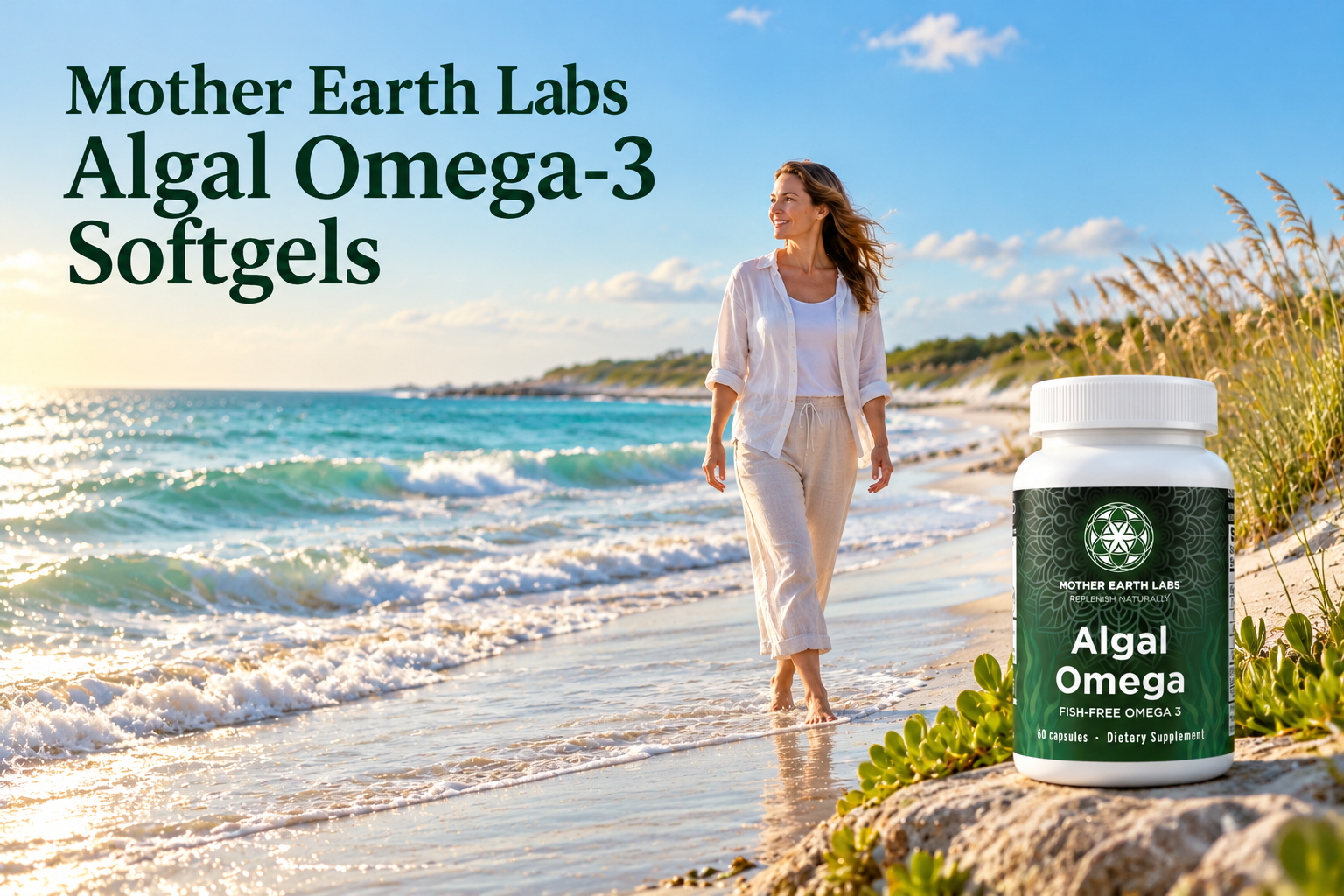
Algal Omega supplies algae-derived EPA and DHA in a fish-free softgel format. Compare it with other omega-3 products using EPA and DHA per full serving, rather than total oil weight alone. The reviewed two-softgel serving supplies 450 mg combined EPA plus DHA within 1,000 mg algal oil.
In this guide
Compare the source and the amount separately
Start with your source preference, then read the fatty-acid amounts. Here, algae supplies the oil and tapioca supplies the softgel shell. The full two-softgel serving provides 300 mg DHA and 150 mg EPA, a 2:1 DHA-to-EPA ratio and 450 mg combined. Those details make comparisons with other algae and fish-oil products much easier.
This guide explains the product’s verified serving, how algal oil relates to human research and how to compare it with other omega-3 supplements. It complements our existing article on oil weight versus EPA and DHA rather than repeating that narrower calculation.
Affiliate DisclosureBuy Now — Algal Omega-3 Softgels – Vegan EPA & DHA Affiliate Disclosure. Check the current label, availability and purchase options before ordering.
What the two-softgel serving provides
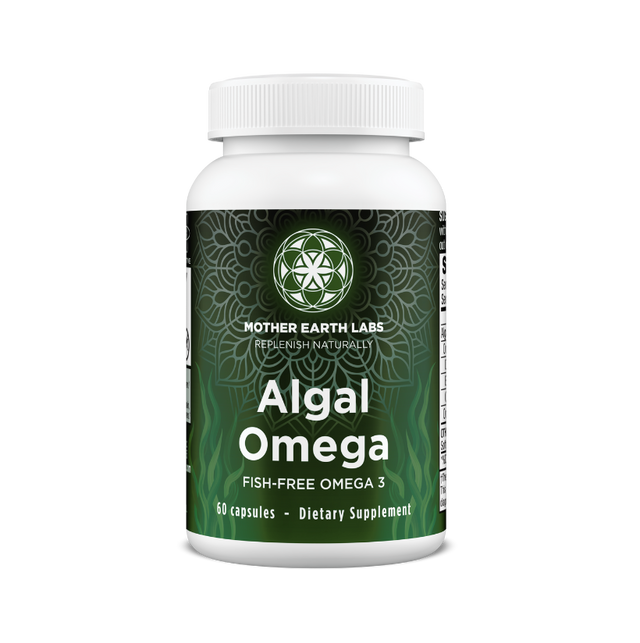
The official label lists a serving of two tapioca softgels and 30 servings in the 60-count bottle. The total algal oil is 1,000 mg, containing 550 mg of omega-3 fatty acids. Within that omega-3 total are 300 mg DHA, 150 mg EPA and 100 mg other omega-3s. A separate 40 mg omega-6 entry is also listed.
DHA plus EPA therefore equals 450 mg per serving. This is the figure to use when comparing EPA/DHA amounts across brands. The larger oil weight describes all the algal oil, not 1,000 mg of EPA plus DHA. Keeping these categories separate makes shopping much clearer.
| Label entry | Amount per serving |
|---|---|
| Serving size | 2 tapioca softgels |
| Algal oil | 1,000 mg |
| Total omega-3 fatty acids | 550 mg |
| DHA | 300 mg |
| EPA | 150 mg |
| Other omega-3 fatty acids | 100 mg |
| Omega-6 fatty acids | 40 mg |
What EPA and DHA contribute nutritionally
EPA means eicosapentaenoic acid; DHA means docosahexaenoic acid. They are long-chain omega-3 fatty acids incorporated into body lipids and cell membranes. The NIH omega-3 reference explains their nutritional roles and source differences. DHA is especially prominent in the brain and retina. EPA and DHA also participate in pathways involved in normal inflammatory signaling.
These roles connect omega-3 nutrition with everyday food choices. Consider the EPA and DHA already supplied by fish, seafood or another supplement, then decide whether a direct algae source fits your dietary pattern. Algal Omega offers both long-chain forms in a fish-free softgel.
Algae, fish and flax: three different comparisons
Fish obtain long-chain omega-3s through aquatic food chains that begin with organisms such as microalgae. An algal supplement offers a direct alternative source. The molecules are still EPA and DHA; the source changes how the oil is produced and whether it suits someone avoiding animal products.
Flaxseed, chia and walnuts are valuable foods, but their main omega-3 is ALA, or alpha-linolenic acid. The body can convert some ALA into longer-chain omega-3s, with limited conversion to DHA in particular. ALA milligrams therefore should not be counted as equivalent EPA/DHA milligrams. Someone comparing a flax supplement with this bottle is comparing different fatty-acid profiles.
This distinction is especially useful for plant-based eating. Algal Omega can supply the long-chain forms directly while ALA-rich foods continue to contribute their own nutritional value.
Human research supports algae as an absorbable source
An analysis of data from 74 adults in a randomized comparative study of microalgal and fish oils assessed plasma phospholipid fatty acids at six and 14 weeks. The researchers found the microalgal source non-inferior to fish oil for the measured EPA/DHA bioavailability outcomes. In this context, non-inferior means the algae source met the analysis’s comparison standard for those blood measurements.
An earlier trial comparing algal DHA capsules with cooked salmon also found comparable DHA delivery to plasma and red blood cells under the study conditions. Together, these findings provide a helpful bridge from the idea of algae-based nutrition to measured uptake in people.
Together, these studies support algae as a usable source of long-chain omega-3s. They measured uptake of the studied oils rather than the performance of the current Mother Earth Labs softgels. For this product, the practical strengths are its fish-free source, named softgel material and clearly declared EPA/DHA amounts.
A simple label comparison checklist
Start with the number of softgels in a serving, then compare EPA and DHA separately and together. Check the softgel material as well as the oil: an algae oil enclosed in animal gelatin would not meet every vegan shopper’s needs. Here the label identifies modified tapioca starch, glycerin and purified water.
MEL describes the product as vegan-friendly and non-GMO. The reviewed shell ingredients are modified tapioca starch, glycerin and purified water. You may see “capsules” on the front photograph and “tapioca softgels” in the directions; the reviewed label and count refer to the same 60-count product.
Directions, storage and everyday use
The label suggests two softgels daily, with or without food, and storage in a cool, dry place away from direct sunlight. Taking them at the same meal can make the routine easy to remember. A bottle lasts 30 days at the labeled two-softgel daily amount.
Anyone taking medication that affects bleeding, preparing for surgery or following a clinician-directed omega-3 plan should review the total supplement intake with that clinician. A nutritional serving should not be substituted for a prescription omega-3 regimen or a treatment dose used in a trial.
Questions that help clarify the choice
Does this contain only DHA? No. It declares both DHA and EPA, with twice as much DHA as EPA by weight.
Does 1,000 mg of oil mean 1,000 mg of omega-3? No. This serving has 550 mg total omega-3s and 450 mg combined EPA/DHA.
Who might find the format useful? Adults who want directly supplied EPA/DHA in a fish-free, tapioca-softgel format. Its appeal is a clear source and a readable amount, with a routine that can fit a range of dietary preferences.
Related reading
Continue with our guide: Algal Omega: Oil Weight vs. EPA + DHA.
Explore our nutrient dictionary: Algal oil.
Sources and further reading
Comparative bioavailability of microalgal and fish oils
Algal-oil capsules and cooked salmon: DHA trial
Educational information about nutrition and product use. Supplements are not intended to diagnose, treat, cure or prevent disease; individual needs and responses vary.