
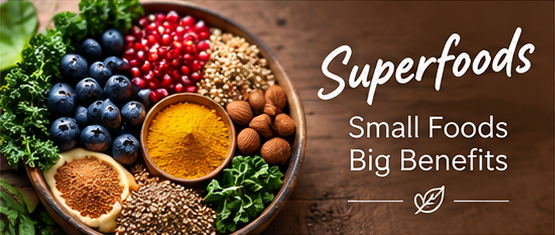
A superfood is a popular name for a food that provides a useful concentration of nutrients or beneficial compounds, such as vitamins, minerals, fiber, essential fats, and plant pigments. There is no single scientific qualification that makes a food “super.” The useful idea is nutrient density: getting a generous variety of nutritional building blocks from foods you enjoy and can eat regularly.
Imagine standing in the grocery aisle with blueberries in one hand and an expensive greens powder in the other. Both have attracted your attention. Meanwhile, the eggs, oats, cabbage, and beans already in your cart are quietly contributing valuable nutrition. You do not need to choose a nutritional champion. You need to understand what each food brings to the table.
This guide turns the superfoods question into practical meals, explains antioxidants and cellular nutrition, and connects everyday foods with essential minerals and thoughtfully chosen nutritional support.
What makes a food nutrient-dense?
Nutrient density describes the nutrients a food provides in relation to its energy content or the amount eaten. A useful comparison also considers the actual serving. A teaspoon of a concentrated powder, a bowl of lentil soup, and a salmon fillet are different portions with different jobs in a meal.
Think of nutrition as a team. Protein supplies amino acids. Carbohydrate and fat provide energy. Essential fats contribute to normal cell structure and function. Vitamins and minerals help enzymes and other physiological systems work. Fiber contributes to digestive function and helps make plant foods satisfying.
A leafy vegetable can contribute folate and carotenoids while an egg contributes protein and choline. Nuts provide fats and minerals in a compact portion. Beans bring fiber, protein, and minerals together. The variety is the advantage: foods complement one another across a day.
USDA research describes nutrient density using both nutrients and food groups. You can apply the idea without calculating a score: ask what a usual serving contributes, what else is in the meal, and whether the choice fits your needs. USDA’s discussion of nutrient-dense foods provides the background.
Antioxidants, polyphenols, and cellular nutrition
Normal metabolism produces reactive molecules. The body also uses some of them in signaling and defense. Antioxidant systems help manage the balance. Oxidative stress describes a disturbance in that balance that can damage cellular components.
Antioxidant-rich foods contribute compounds involved in this larger system. Vitamin C acts as an antioxidant and supports collagen production; vitamin E has antioxidant functions in membranes. Carotenoids are plant pigments, and some can provide vitamin A activity. Polyphenols are another broad family of plant compounds, including anthocyanins associated with many red, purple, and blue foods.
The encouraging message is to eat a range of foods, rather than trying to maximize a laboratory antioxidant number. A laboratory test of a food’s chemical activity is a different measurement from a health outcome in a person. NCCIH explains the antioxidant system and research.
In practice, color gives you a useful shopping prompt. Put red peppers beside leafy greens, berries beside oats, or carrots beside beans. Color is not a complete nutrient analysis, but it can help you vary the foods you buy. A cauliflower or an onion can still be a nutritious choice without a dramatic pigment.
A practical superfoods list: ten useful food groups
1. Berries and other colorful fruits
Blueberries, strawberries, raspberries, oranges, apples, and kiwi each contribute something useful. Fruits can supply fiber, vitamin C, potassium, and plant compounds, with the amounts varying by food. Berries are an easy introduction to foods high in polyphenols, but you can build variety with ordinary seasonal fruit.
Try frozen berries stirred into yogurt, an apple with nut butter, or orange segments beside breakfast. Frozen fruit can be practical when fresh berries are expensive or spoil before you finish them. Keep the whole-fruit texture when that suits the meal; juice provides a different fiber profile. USDA’s fruit reference explains these contributions.
2. Leafy greens
Spinach, kale, romaine, collards, and other leafy vegetables make it easy to add volume, variety, and nutrients to meals. Different greens provide different proportions of folate, vitamin K, carotenoids, and minerals. Rotate the varieties instead of expecting one leaf to cover every need.
A bag of frozen spinach can become part of an omelet, a soup, or a bean dish. Shredded greens can go into a sandwich or grain bowl. If a large raw salad does not suit your digestion, try a smaller serving or cooked greens. The preparation you enjoy is the one you are more likely to repeat.
3. Cruciferous vegetables
Broccoli, cabbage, cauliflower, Brussels sprouts, and related vegetables add fiber and a range of micronutrients and plant compounds. They also offer useful differences in flavor and texture: crisp cabbage slaw, roasted cauliflower, or broccoli stirred into a skillet meal.
For a budget-friendly starting point, buy a cabbage and use it several ways during the week. Slice some for slaw, cook some with onions, and add the rest to soup. Roasting or steaming frozen broccoli can make a vegetable serving possible on a busy evening without elaborate preparation.
4. Beans and lentils
Legumes combine plant protein, fiber, and minerals. Lentils and beans can contribute iron; they also appear among food sources of other trace minerals. Their role becomes especially useful when you want a substantial meal built from affordable pantry ingredients.
Start with a familiar dish: add beans to chili, lentils to soup, or chickpeas to a salad. A tomato, pepper, or citrus-containing accompaniment supplies vitamin C, which supports absorption of nonheme iron. Begin with portions your digestion handles comfortably and increase gradually. See NIH’s iron reference for the nutrient chemistry.
5. Nuts and seeds
Walnuts, almonds, pumpkin seeds, sunflower seeds, chia, and flax add texture as well as fats, protein, and minerals. Flax, chia, and walnuts are sources of the essential omega-3 fat ALA. Different seeds also contribute different mineral profiles.
A small handful of nuts or a spoonful of seeds can finish a meal. Use them in oatmeal, yogurt, roasted vegetables, or a bean bowl. Portioning from a larger bag makes the amount easier to judge. Their compact energy content can be useful; simply choose a portion that fits your meal and goals.
6. Fatty fish
Salmon, sardines, trout, and other oily fish supply protein and long-chain omega-3 fats. Fish can also contribute selenium and other nutrients. The particular species and preparation affect the nutritional profile.
Canned sardines on whole-grain toast or a salmon-and-bean salad can be a practical alternative to a fresh fillet. For plant-based eating, use foods supplying ALA and consider your individual long-chain omega-3 needs separately. NIH’s omega-3 guide explains ALA, EPA, and DHA.
7. Eggs
Eggs make a versatile protein food and contribute nutrients including choline, selenium, and vitamin B12. An egg does not need an exotic origin to belong in a conversation about nutrient-rich foods.
Pair eggs with vegetables and a whole-grain food, or add a cooked egg to a lunch bowl. For someone who prefers a different protein, beans, tofu, fish, or dairy can serve a similar meal-building purpose while providing their own nutrient mix. Choose the whole meal rather than trying to make any one food nutritionally complete.
8. Fermented foods
Yogurt, kefir, and fermented vegetables offer different ways to add flavor and food diversity. Yogurt can also contribute protein and calcium. Whether a fermented food contains live microorganisms depends on its processing and storage; fermentation and a clinically studied probiotic are related but distinct ideas.
A small randomized study in healthy adults found that a diet higher in fermented foods increased microbiota diversity and changed inflammatory markers. That is useful human research about a dietary pattern, rather than a promise for every spoonful. Try plain yogurt with fruit or a modest portion of fermented vegetables alongside a meal. Read the original Wastyk and colleagues study.
9. Garlic and onions
Garlic and onions make nutritious meals appealing. They bring distinctive plant compounds and fit naturally into bean dishes, soups, roasted vegetables, sauces, and skillet meals. Their culinary role can help you enjoy the other foods on your plate.
Use the amount you tolerate and enjoy. A mild cooked onion may suit you better than a large raw serving. Frozen chopped onions or a little prepared garlic can reduce the preparation work. You can keep the emphasis on useful everyday eating without assigning medicinal effects to a recipe.
10. Herbs and spices
Herbs and spices add a wide range of flavors and plant compounds. Turmeric, cinnamon, ginger, rosemary, parsley, and oregano can make familiar foods more interesting. A sprinkle in cooking and a concentrated supplement are different preparations and amounts.
Choose one pairing to try this week: cinnamon with oats, ginger in a vegetable soup, parsley in a bean salad, or turmeric in a rice dish. The immediate practical benefit is a meal you want to eat again. Any specific clinical claim about an extract needs evidence for that extract and dose.
The trace minerals hiding inside nutrient-dense foods
Vitamins often get the attention, but trace minerals help run normal physiology. Iron participates in oxygen transport; zinc supports enzymes and protein synthesis; iodine is needed for thyroid hormones. Copper, selenium, manganese, and molybdenum have other essential functions.
| Food to include | Trace minerals it can contribute | An everyday use |
|---|---|---|
| Lentils and beans | Iron, copper, molybdenum | Soup with tomatoes or peppers |
| Seafood | Zinc, selenium, iodine; amounts vary by species | Fish with vegetables and a grain |
| Eggs | Selenium and iodine | Vegetable omelet |
| Nuts and seeds | Copper, manganese, zinc; type matters | A measured topping for oats or yogurt |
| Whole grains | Manganese and other minerals | Oats at breakfast or a grain bowl |
| Dairy foods | Iodine and zinc, with variation | Yogurt with fruit |
This is a food-planning guide, not a claim that every listed food supplies a full daily requirement. For functions, intake targets, absorption, and product formats, continue to What Are Trace Minerals? Benefits, Food Sources & Absorption Explained.
Superfoods and metabolic health
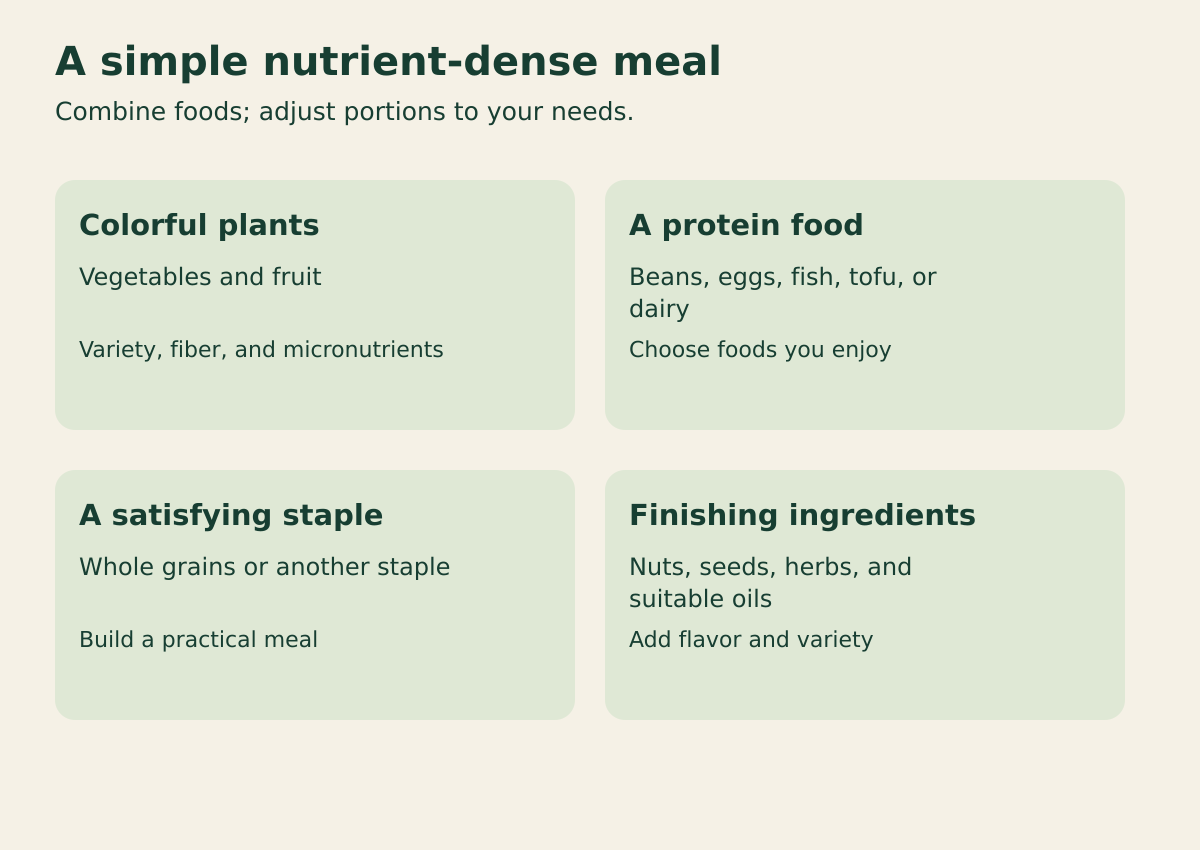
Build meals with a protein source, fiber-containing foods, and an amount of energy that fits your needs. A bowl of berries becomes a more substantial breakfast when paired with yogurt and oats. A salad becomes a more complete lunch when it includes beans, eggs, fish, tofu, or another protein food.
The meal pattern matters more than a special ingredient added to an otherwise unchanged routine. USDA’s evidence review connects dietary patterns rich in vegetables, fruit, legumes, nuts, whole grains, and appropriate fats with cardiovascular health. That supports building a repeatable pattern rather than promising that one “superfood” will change a blood test. Read the dietary-pattern evidence review.
If you monitor glucose, use your own measurements and clinical plan to assess meals. The amount eaten, preparation, other meal components, activity, medicines, and individual response all matter. A food label such as “superfood” does not specify those details.
Gut health: make variety comfortable
Plant foods bring different fibers and other compounds to the digestive tract. A practical approach is to vary the foods you already tolerate: rotate beans, grains, fruits, and vegetables across the week. Add changes at a pace that feels comfortable rather than abruptly doubling your fiber intake.
For example, begin with a small serving of lentils in an existing soup recipe. Once that is familiar, try a different vegetable or grain. Cooked vegetables, smaller portions, and adequate fluids may make the transition easier. Persistent digestive symptoms deserve individual assessment so that your food choices can be adapted usefully.
How nutrients support normal cellular energy
Food supplies the fuel and supporting nutrients involved in energy metabolism. B vitamins participate in enzyme systems, iron contributes to oxygen transport and cellular processes, and copper-containing enzymes participate in energy production. These are normal physiological roles.
“Foods for cellular health” therefore works best as a question about nutritional adequacy. Ask whether your meals supply enough energy, protein, essential fats, and micronutrients for your needs. A nutritious dietary pattern supports that foundation; an individual food cannot be assigned a universal mitochondrial-repair effect.
Whole foods and superfood powders: useful options for different situations
A powder can be a convenient way to add selected ingredients to a routine. A whole-food meal provides its own combination of nutrients, texture, water, and fiber. The useful comparison is the actual label and serving, rather than the format alone.
If you are comparing powders, look for the amount per serving, declared nutrients, fiber, protein, added ingredients, and preparation directions. Decide what job you want it to do: flavor a smoothie, add selected nutrients, or supply protein. A greens product and a protein powder can have quite different compositions.
Keep the cost comparison specific. Divide the price by the number of servings you will actually use. Then compare the nutritional contribution to an ordinary alternative. Our existing guide to greens powders, multivitamins, and breakfast explains the distinctions in more detail.
From soil to food: where humic and fulvic substances enter the story
Food begins within a larger environmental cycle. Microorganisms transform organic material, and soil organic matter interacts with water and minerals. Humic and fulvic substances are part of this chemistry. Their interactions can influence nutrient behavior in soils and waters.
Plant nutrition and human nutrition are different stages of the story. Learning how an organic substance interacts with a mineral in soil is valuable; a claim about mineral absorption after a person takes a supplement requires its own human evidence. Our dedicated fulvic acid guide follows the natural formation, history, chemistry, and nutritional preparations.
Where Comprehensive Core and pH Balancer fit
Nutritious meals and appropriately selected supplements can serve complementary roles. A supplement may be useful when a particular need, dietary restriction, or clinical situation makes additional nutrients appropriate. Start with the purpose and check the full formulation against what you already eat and take.
Comprehensive Core combines vitamins, minerals, and additional plant ingredients. Its reviewed liquid and capsule panels both include a 25 mg combined humic/fulvic entry per full serving, while several other ingredient amounts and forms differ. Four capsules and one fluid ounce are separate labeled servings.
pH Balancer combines a multivitamin/mineral base with additional botanical blends. Its liquid serving is one fluid ounce; its capsule serving is eight capsules. The capsules declare 40 mg combined humic/fulvic substances; the liquid names humic/fulvic extracts within a blend without separately quantifying that component. Its name describes the product; blood acid–base balance is regulated by normal physiology.
These are broad formulations, so compare the entire label, including vitamin D and other nutrients already in your routine. The Comprehensive Core versus pH Balancer comparison helps you compare the exact formats, amounts, and ingredient groups.
Both reviewed Core and pH Balancer families list 125 mcg (5,000 IU) vitamin D per full serving, above the U.S. adult upper limit of 100 mcg. Review total intake and suitability with your clinician, particularly before combining formulas.


Build a nutrient-dense day without making meals complicated
The following is a flexible menu example, not a calorie prescription. Adjust portions, timing, and ingredients for your appetite, preferences, and individual needs.
| Meal | Simple starting point | Affordable or preference-based swap |
|---|---|---|
| Breakfast | Oats, plain yogurt, berries, and seeds | Frozen berries; a suitable fortified plant alternative |
| Lunch | Bean-and-vegetable bowl with olive oil and lemon | Lentils, canned beans, or leftover vegetables |
| Dinner | Fish, roasted broccoli, and a whole grain | Eggs or tofu; frozen broccoli; oats or brown rice in another meal |
| Optional snack | Fruit with a small portion of nuts | Seasonal fruit and the nut or seed you enjoy |
For the next shopping trip, choose two produce items, one legume, one protein food, and one whole-grain staple. Plan where each will go before buying a specialty ingredient. A modest list used consistently can accomplish more for your routine than a refrigerator full of unfamiliar foods.
Frequently asked questions
What is the number one superfood?
There is no universal winner. Your best choices depend on what the rest of your diet provides. A varied combination covers more nutritional needs than ranking every food against a single score.
Are eggs considered a superfood?
They can be described that way because they provide useful protein and micronutrients. The practical question is how they fit into your overall meals and individual dietary needs.
Are blueberries healthier than other fruits?
Blueberries offer fiber and distinctive plant compounds. Other fruits offer different strengths. Rotate fruits you enjoy rather than treating a blueberry as a substitute for every other fruit.
Can superfoods help with weight management?
Nutrient-dense choices can help build satisfying meals. Portions, total intake, protein, fiber, activity, sleep, and personal circumstances influence weight management; the word “superfood” does not predict an outcome.
Are superfood powders worth buying?
They may be worthwhile if their verified composition and convenience meet a need at a cost that works for you. Read the full serving and compare it with the food or nutrient contribution you want.
Can you eat too many superfoods?
Concentrated foods and supplements still need appropriate portions. Brazil nuts, for example, can contain substantial selenium. Variety and attention to total intake keep the focus on adequate nutrition.
What are inexpensive superfoods?
Oats, beans, lentils, cabbage, eggs, canned fish, frozen vegetables, and seasonal fruit are useful starting points. Choose the foods you can prepare and enjoy regularly.
Do you still need supplements if you eat superfoods?
That depends on your needs, dietary pattern, and health circumstances. A specific nutrient question deserves a specific answer. Use the formula comparison when you want to understand these nutritional-support options.
Make your next meal the starting point
You can put the idea into practice today: add a vegetable, include a satisfying protein, choose a fiber-containing food, and enjoy some variety. Keep learning about the nutrients behind the foods. The trace-mineral guide is the next step for understanding small but essential mineral requirements; the fulvic-acid guide follows the environmental chemistry behind another growing nutrition question.