

By Dr. Rich Prather, D.C. • Updated October 25, 2026
For a comfortable 30-minute workout with modest sweating, water and ordinary meals are usually a reasonable starting point. Electrolyte drinks become more relevant when heat, duration and total sweat losses add up. Judge the whole day’s activity—not just the half hour recorded on your watch.
In this guide
A short workout can follow a long sweaty day
Someone who spent the afternoon doing outdoor work may arrive at a half-hour workout with very different fluid losses from someone who sat indoors. The clock on the workout is only part of the story. Use that context before comparing drink labels or assuming every session calls for a packet.
What do electrolytes actually do?
Electrolytes are minerals that carry an electrical charge in body fluids. Sodium and potassium help with fluid balance, nerve signals, and muscle function. You obtain electrolytes from food as well as drinks. A packet is one convenient way to supply some of them.
Sweating removes water and salts. Replacing fluid matters, and sodium becomes especially relevant when sweating continues for a long time. That does not mean every bead of sweat creates a deficiency that requires a supplement.
Three ordinary days—and three different decisions
The lunchtime walker. You spend most of the day indoors, walk for 30 minutes in comfortable weather, and eat your normal lunch. Water is a reasonable choice. There is no need to turn a pleasant walk into another complicated nutrition project.
The weekend gardener. The planned half-hour session follows two hours of weeding and hauling mulch in humid weather. You have been sweating well before the “workout” began. Take cooling breaks, drink regularly, and think about food and electrolyte replacement across the whole period. The exercise timer tells only part of the story.
The indoor class after a desk day. You sweat hard during a short session. That deserves attention to fluids, but a soaked shirt alone cannot tell you exactly how much sodium you lost. How you feel, the conditions, your meals, and whether more activity follows all matter. An electrolyte drink may be convenient; it is not automatically essential.
These are examples, not personal fluid prescriptions. CDC/NIOSH workplace guidance recommends water for moderate activity in heat lasting less than two hours and balanced electrolyte drinks when sweating continues for several hours. Workplace guidance is useful context, not a rule that makes every shorter session identical.
How do I choose a drink without getting lost in the label?
Start with sodium per serving, servings per packet, mixing volume, and the amount you actually drink. Then consider potassium, carbohydrate, taste, cost, and your own health plan. A long mineral list does not tell you whether the amounts suit your situation.
Sodium and salt are related but are not interchangeable weights. If a label lists milligrams of sodium, compare it with another label’s sodium entry. Our sodium-versus-salt explanation helps prevent an easy comparison mistake.
Carbohydrate has a different job: it supplies fuel. A sugar-free drink may provide electrolytes but little or no exercise energy. A drink containing carbohydrate may fit some longer activity plans. Choose around the work you are doing and the food available, rather than assuming either type is universally better.
Does more water mean I get fewer electrolytes?
Here is a made-up example to show the arithmetic: one packet contains 500 mg sodium. In half a liter of water, the concentration is 1,000 mg per liter. In one liter, it is 500 mg per liter. If you finish the whole bottle, you get 500 mg either way. If you drink only half of the one-liter bottle, you get 250 mg. These numbers illustrate the calculation; they are not a SportActive label claim or a recommended dose.
That matters when you add a packet to a large bottle and sip only part of it. Follow the product’s mixing directions. Our SportActive packet-and-liter guide explains how to compare its label and dilution without confusing concentration with the total amount consumed.
Can I get electrolytes from lunch instead?
Yes. Meals contribute minerals, and drinks are only one part of the picture. An ordinary meal after a comfortable workout may supply what you need alongside water. On a demanding day outdoors, waiting until dinner while skipping breaks and fluids is a different situation.
It can help to pack the whole plan: water, access to shade or cooling, a meal or snack you tolerate, and an electrolyte option when the activity calls for it. The packet should support that plan, not carry the entire responsibility for staying well.
What about cramps, headaches, or feeling wiped out?
Those symptoms do not identify a single missing mineral. Heat illness, insufficient food, illness, medicines, and other problems can overlap with what people call dehydration. Stop activity and assess how you feel instead of automatically adding more powder.
Electrolytes also do not make unlimited fluid intake safe. NIOSH cautions against excessive drinking. Do not force large volumes to chase perfectly clear urine or take repeated packets to “catch up.” Anyone with a prescribed sodium, potassium, or fluid limit should use an individualized plan.
Confusion, collapse, or severe illness during heat exposure requires emergency help and prompt cooling. An electrolyte drink is not treatment for heat stroke. For vomiting or diarrhea, ask about an appropriate oral rehydration solution; do not assume every sports drink serves the same purpose.
A quick decision before your next workout
Ask: “Have I been sweating for a short session or much of the day? How hot is it? Have I eaten? Will I be active again soon?” For the easy neighborhood walk, keep it simple. For the long, hot, sweaty day, plan fluids, food, cooling, and electrolyte replacement together.
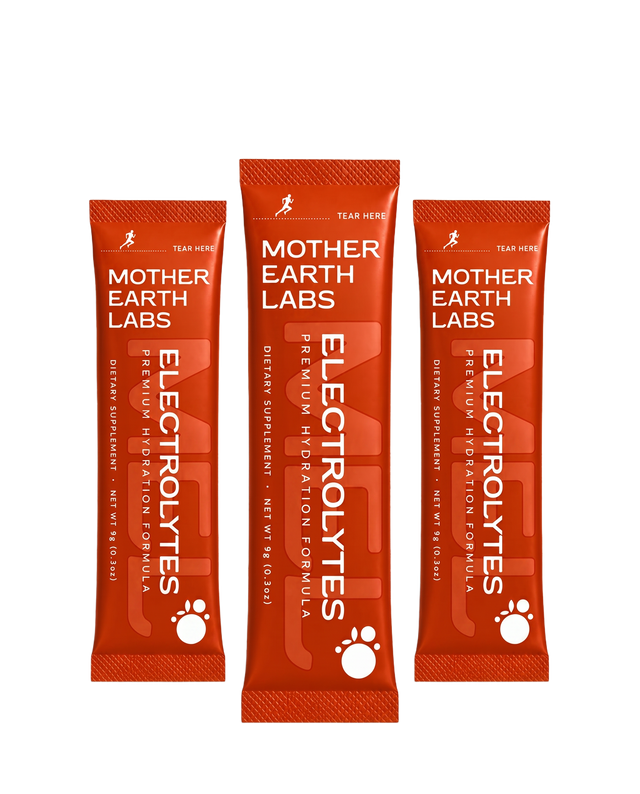
Where SportActive fits: its stick packs provide a portable electrolyte option. Use the current package and our full product guide to decide whether its ingredients and amounts fit your activity. Convenience is a useful benefit when it solves a real problem in your day.
See the products discussed here
Sources and further reading
- CDC/NIOSH: Heat stress recommendations
- Core & Balancer: Sodium versus salt on electrolyte labels
- Core & Balancer: SportActive sodium per packet and liter
- MedlinePlus: Fluid and electrolyte balance
- CDC: Heat and your health
General educational information. For individual needs, medicines, and product directions, use your own label and appropriate professional guidance.