

By Dr. Rich Prather, D.C. • Updated October 25, 2026
Compare magnesium capsules and liquid by elemental magnesium per full serving, supporting ingredients and the routine you prefer. In the reviewed MEL products, four Magnesium ER capsules supply 350 mg, while 1 mL Ionic Magnesium+ supplies 50 mg. Those are different labeled servings, not instructions to multiply the drops to match the capsules.
Make the comparison before changing the routine
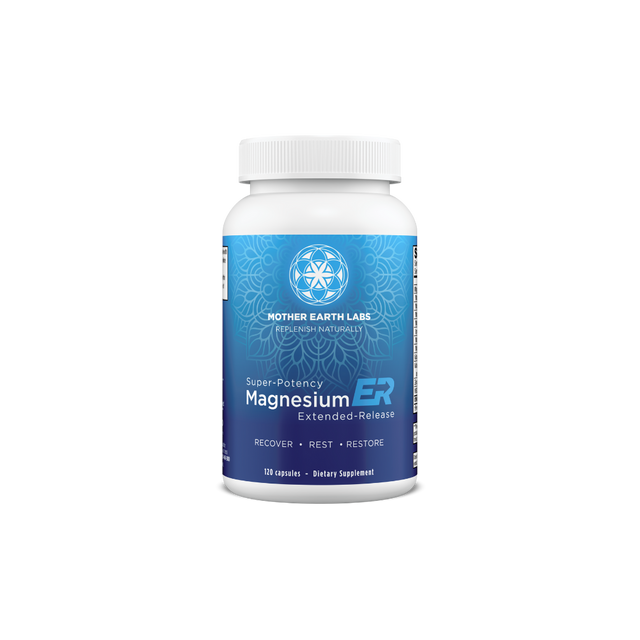
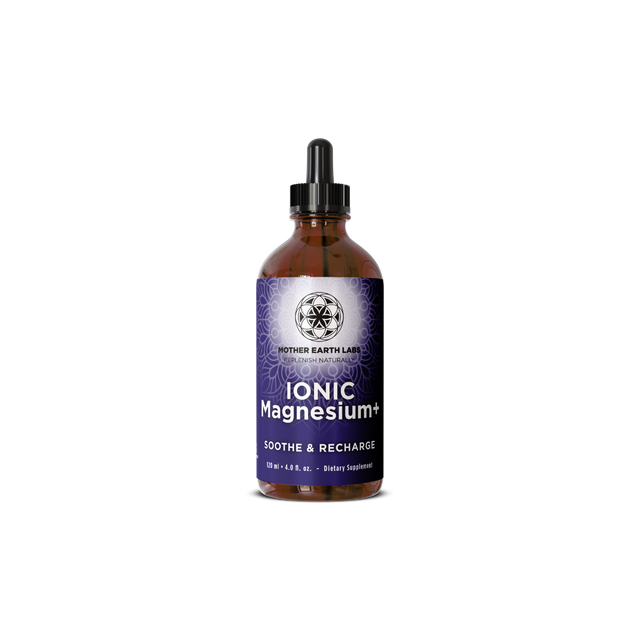
For a counted routine, look at Magnesium ER’s four-capsule serving and its additional nutrient entries. For a small measured liquid, look at Ionic Magnesium+ and its 1 mL serving. Place the exact label beside any multivitamin you already take so the format choice and total-intake review stay connected.
Choose between two distinct routines: Magnesium ER offers a counted capsule format with seven named magnesium sources and supporting nutrients. Ionic Magnesium+ offers a compact measured-liquid format. Compare their complete servings below, then choose the format that fits the plan you follow.
Put the full servings side by side
| Label detail | Magnesium ER | Ionic Magnesium+ |
|---|---|---|
| Labeled serving | 4 capsules | 1 mL (approximately one supplied dropper, per label) |
| Magnesium per labeled serving | 350 mg | 50 mg |
| Servings per container | 30 | 120 |
| Comparison average per capsule or mL | 87.5 mg per capsule | 50 mg per mL |
| Declared magnesium across the bottle | 10,500 mg | 6,000 mg |
The capsule calculation is 350 ÷ 4 = 87.5 mg per capsule as a label-based average. Bottle totals are 350 × 30 = 10,500 mg and 50 × 120 = 6,000 mg. These calculations help normalize the labels; they do not change the suggested use.
Read “magnesium” as the elemental amount. NIH explains that Supplement Facts reports elemental magnesium, rather than the entire mass of the magnesium-containing compound. Do not add the weights of source compounds to the nutrient line or treat a listed source name as another serving of magnesium. [5]
What magnesium does in everyday terms
Magnesium helps support normal muscle and nerve function and the body’s energy processes. That is why it belongs in a nutrition discussion even when sleep is not the main concern. Foods such as nuts, beans, and leafy greens also contribute to intake.
Interest in magnesium for sleep is understandable, but a product’s nutrient role and its effect on a specific sleep problem are separate questions. NCCIH notes that research on magnesium supplements for insomnia is limited. Consider your food intake, routine, and reason for poor sleep alongside the bottle.
Read the amount with its serving
Dividing 350 by 50 gives seven. That makes the complete ER serving seven times the magnesium in 1 mL of Ionic Magnesium+. It does not mean you should take 7 mL of the liquid.
The practical lesson is to keep the amount and the serving instructions together. If you prefer a liquid, measure it accurately. If you prefer capsules, check the full serving and the other nutrients included.
Count magnesium across your whole routine
For adults, the general upper limit for magnesium from supplements and medications is 350 mg a day, unless a clinician recommends otherwise; magnesium naturally present in food is treated separately. This is a tolerability limit, not an intake goal. A complete 350 mg supplement serving can already reach that general limit before another magnesium product is added.
Excess supplemental magnesium can cause diarrhea and cramping. Kidney disease and some medicines make individualized guidance particularly important. A pharmacist can also check spacing from medicines that interact with magnesium.
If sleep brought you here
Write down whether the issue is falling asleep, waking repeatedly, or feeling unrefreshed. That is more useful than describing everything as “bad sleep.” Persistent problems, loud snoring, or significant daytime sleepiness deserve a conversation about the cause.
Your next step: record the magnesium you already take, compare the supporting ingredients and choose a format you can use comfortably. If sleep is part of your question, keep that goal beside the label so you can discuss both together with an appropriate professional.
The formulas contain different supporting ingredients
The Magnesium ER panel names seven magnesium sources: bisglycinate chelate, citrate, malate, Sucrosomial® magnesium, taurate, orotate and chloride. It does not assign a separate amount to each source. Dividing 350 mg by seven would invent equal shares. [3]
That same four-capsule panel lists vitamin D3 at 25 mcg, vitamin B6 as pyridoxal-5-phosphate at 1.7 mg, zinc at 2.75 mg and fulvic acid at 50 mg. Ionic Magnesium+ instead lists its 50 mg elemental magnesium and identifies fulvic minerals super concentrate under Other Ingredients, without a matching numerical fulvic-acid declaration. The two fulvic entries therefore cannot be treated as a measured head-to-head comparison. [3][4]
Original label references
- Mother Earth Labs. Magnesium ER official product page and posted label. Checked October 19, 2026.
- Mother Earth Labs. Ionic Magnesium+ official product page and posted label. Checked October 19, 2026.
- Mother Earth Labs. Magnesium ER Supplement Facts label, REV MER120C1123MEL.
- Mother Earth Labs. Ionic Magnesium+ Supplement Facts label, REV MAG0832MEL.
- NIH Office of Dietary Supplements. Magnesium, Health Professional Fact Sheet.
See the products discussed here
Sources and further reading
- Mother Earth Labs: Magnesium ER
- Mother Earth Labs: Ionic Magnesium+
- NIH: Magnesium
- NCCIH: Sleep disorders and complementary health approaches
General educational information. For individual needs, medicines, and product directions, use your own label and appropriate professional guidance.