
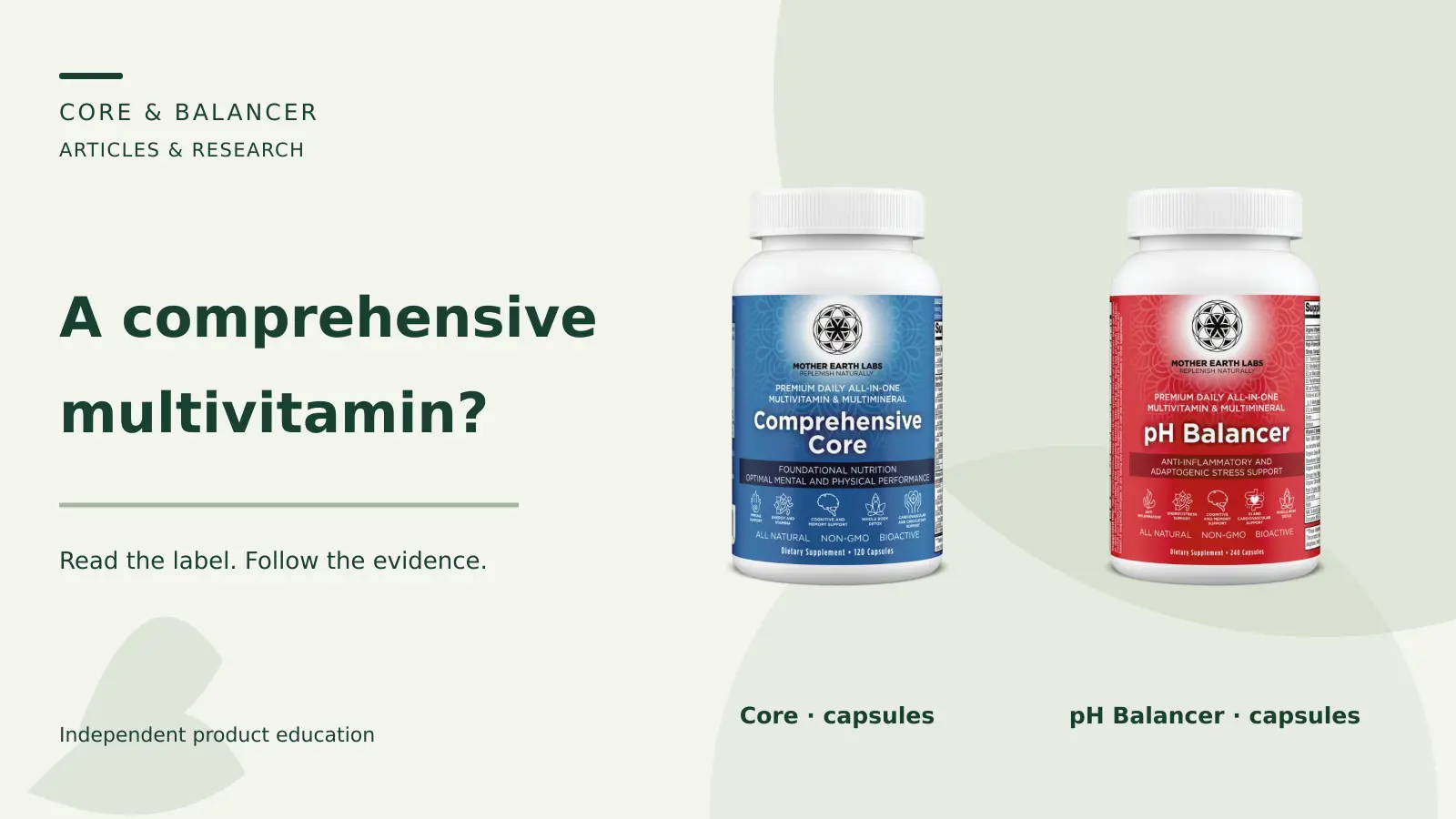
“Comprehensive multivitamin” usually describes a broad formula; it does not promise a standard ingredient list or standard amounts. To judge a bottle, look at what it actually supplies per full serving, which extra plant or specialty ingredients it includes, and whether that combination fills a useful gap in your routine.
Two bottles can both be comprehensive and still differ
Imagine one formula with a broad vitamin list but little magnesium, and another with more minerals plus several herbs. The same front-label description would hide a different decision. Write down the nutrients you need to compare first, then look at the full serving—not just the product name or pill count.
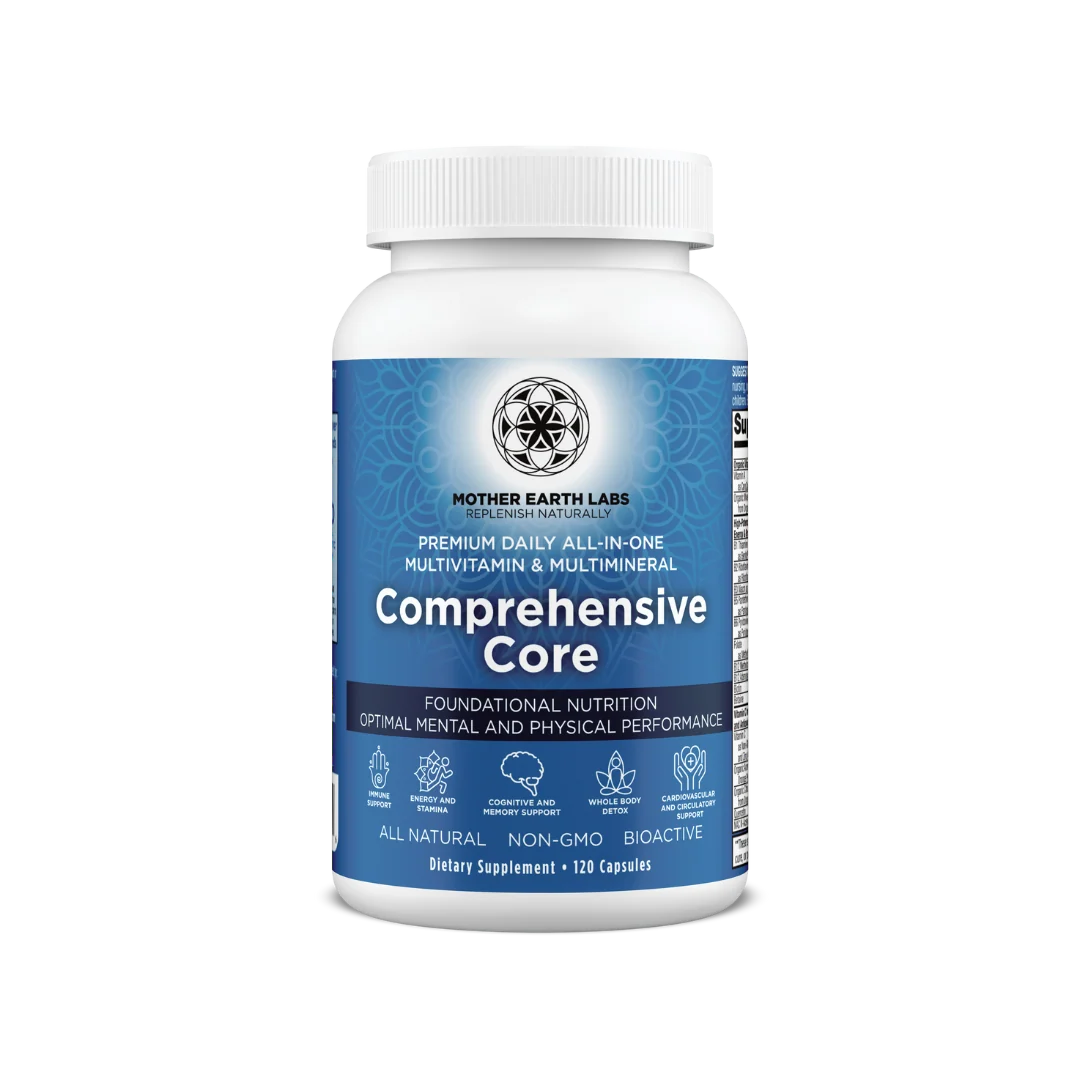
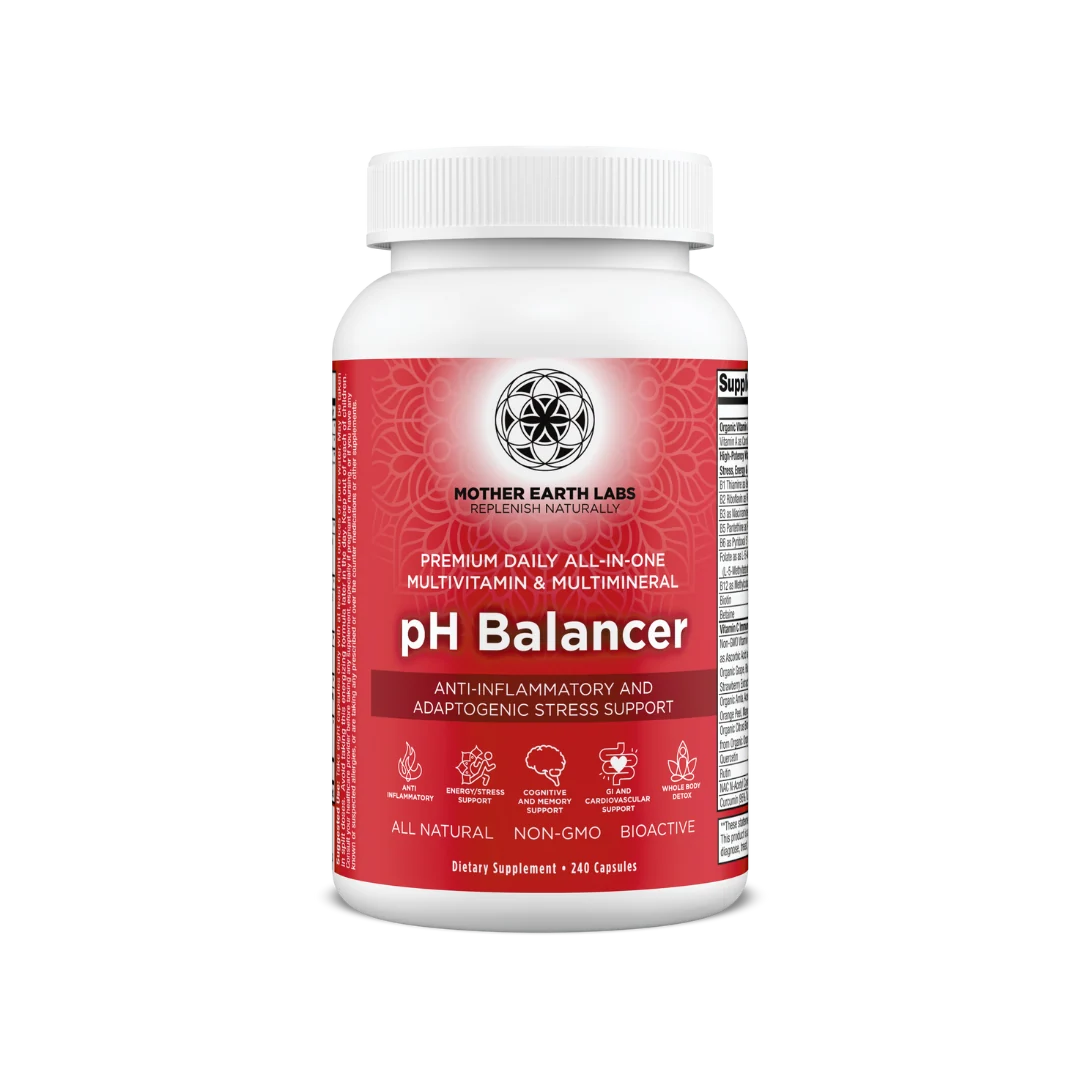
For concrete examples while you read, explore Affiliate DisclosureComprehensive Core capsules Affiliate Disclosure or pH Balancer capsules Affiliate Disclosure. These are examples of broad formulas, each with its own label and separately available liquid formats.
What does “comprehensive” actually tell you?
NIH explains that multivitamin/mineral supplements do not have a single standard ingredient list. Two products in this category can contain different nutrients and different amounts. “Comprehensive” is therefore a starting description, rather than a promise that one serving supplies everything every person needs.
To compare comprehensive multivitamin formulas, separate breadth from quantity: identify the vitamin and mineral coverage, note any additional ingredient categories, then compare the named forms and amounts per full serving. “Comprehensive” does not mean every nutrient is included, every entry provides 100% Daily Value, or one formula suits everyone.
| Category | Examples | What to compare |
|---|---|---|
| Vitamins | B vitamins, vitamins C, D, and K | Which vitamins, named forms, and amounts appear per serving? |
| Minerals | Calcium, magnesium, zinc, selenium | What amount of each mineral is declared, and what source supplies it? |
| Additional dietary ingredients | Botanicals, greens, enzymes, amino acids | Which ingredients are named, and are their quantities individual or grouped? |
Recognize four parts of a broad formula
1. Vitamins
These are the familiar entries such as vitamins A, C, D, and the B vitamins. Look for the nutrient name, its amount per serving, and the source named beside it. For example, “vitamin B12” tells you the nutrient; “methylcobalamin” identifies one of its forms. The two pieces answer different questions.
2. Minerals
Minerals may include calcium, magnesium, zinc, iodine, and others. Compare the amount of the individual mineral shown on the nutrient line. A mineral blend’s total weight is a different number and should not be treated as the amount of each mineral inside it.
3. Botanical and food-derived ingredients
Fruit, greens, herb, and other plant entries add another layer to the formula. Read the actual ingredient names rather than assuming the front-label category tells you which plants are included. A blend weight describes the named grouping; it does not automatically disclose a separate amount for each constituent.
4. Other listed compounds and supporting ingredients
Some formulas also list amino acids, enzymes, specialty compounds, or other dietary ingredients. Separately, the Other Ingredients list describes materials such as the capsule shell or ingredients used in the liquid preparation. Include this section when checking personal ingredient preferences and sensitivities.
Broad coverage and high amounts are different ideas
Coverage asks how many nutrient categories a product includes. Amount asks how much of a particular ingredient a serving provides. These are separate measurements. A formula with more categories is not necessarily the closest match to your current nutrient intake.
For a clear comparison, write down two or three label details you want to understand. Someone might focus on B-vitamin forms, while another reader is interested in mineral amounts or botanical selections. Then place those details back into the context of the complete formula.
Include the intended age group and life stage in that comparison. A broad adult formula, a prenatal product and a children’s multivitamin answer different needs. Use the product’s intended-user information alongside its nutrient panel, with professional guidance for an individual plan.
| What you see | What to check |
|---|---|
| Comprehensive or broad-spectrum | Which nutrients and additional ingredient groups are actually listed? |
| Vitamins and minerals | What are the amounts, units, and named sources per full serving? |
| Fruit, greens, or botanical blend | Which ingredients are named, and what does the declared blend total describe? |
| Liquid or capsules | Which exact panel and serving directions apply to this format? |
Use Comprehensive Core and pH Balancer as reading examples
The reviewed Comprehensive Core labels include two named B12 forms: methylcobalamin and adenosylcobalamin. The reviewed pH Balancer labels name methylcobalamin and a distinct botanical selection. Both products include multiple nutrient categories, so the difference is more specific than “vitamins versus herbs.”
Our Comprehensive Core guide and pH Balancer guide contain the detailed panels. Start there if an ingredient category catches your attention. You can also view Comprehensive Core product options Affiliate Disclosure while keeping the manufacturer’s current label open beside the guide.
 Affiliate Disclosure
View this format at Mother Earth Labs.
 Affiliate Disclosure
View this format at Mother Earth Labs.
Check the format before comparing two bottles
A product name can cover more than one formulation. Liquid and capsule versions may differ in nutrient amounts, blend composition, other ingredients, and serving directions. Compare the exact formats you intend to explore, rather than assuming a capsule is simply a measured portion of the liquid.
For practical format questions, use our liquid vitamins versus capsules article. For formula selection, the practical Core and pH Balancer decision guide connects the ingredient details with everyday preferences.
Turn a category search into a focused next step
Before choosing, note your existing supplements, the ingredient details that matter to you, and the format you prefer. Review personal suitability and total intake with a qualified healthcare professional when appropriate. A broad formula complements food choices; it does not make a varied diet or individualized care unnecessary.
Your three-question starting list
- What does this formula include beyond its general category name?
- Which full serving and physical format am I comparing?
- What do I want the complete label to help me understand?
That approach gives “comprehensive” a useful role: an invitation to examine the whole formula. Explore the named options below, then use their current labels to continue your comparison.
Sources and educational scope
Product-label examples refer to the original panels preserved in our guides and reviewed October 18, 2026. Formulations and packaging may change; use the current container and manufacturer information. By Dr. Rich Prather, D.C. · Published by Grateful Lab Services. Educational information does not replace individualized medical advice. These products are not intended to diagnose, treat, cure, or prevent disease. Privacy Policy · Articles & Research.