

Liquid vitamins can make sense if swallowing capsules is the obstacle; capsules can make sense if portability and simple counting matter more. Neither format is automatically better absorbed or better suited to everyone. Compare the actual ingredient forms, amounts per full serving, storage and daily routine before choosing.
In this guide
Try the routine before choosing the bottle
Picture tomorrow morning. Would you rather shake a refrigerated bottle and measure a serving, or count several capsules and take them as directed? Now check the formula behind that routine. If one product lists an amount per four capsules and another per ounce, those are the complete servings to compare—not one capsule against one ounce.
A liquid multivitamin with minerals and a capsule formula may look similar at first glance, yet their nutrient amounts and additional ingredients can differ. This guide gives you a straightforward way to compare the labels, think through everyday use, and explore Mother Earth Labs Comprehensive Core and pH Balancer as examples.
Want to see the formats while you read? Explore Affiliate DisclosureComprehensive Core liquid quart Affiliate Disclosure or pH Balancer capsules Affiliate Disclosure. The photographs below link directly to each named product and format.
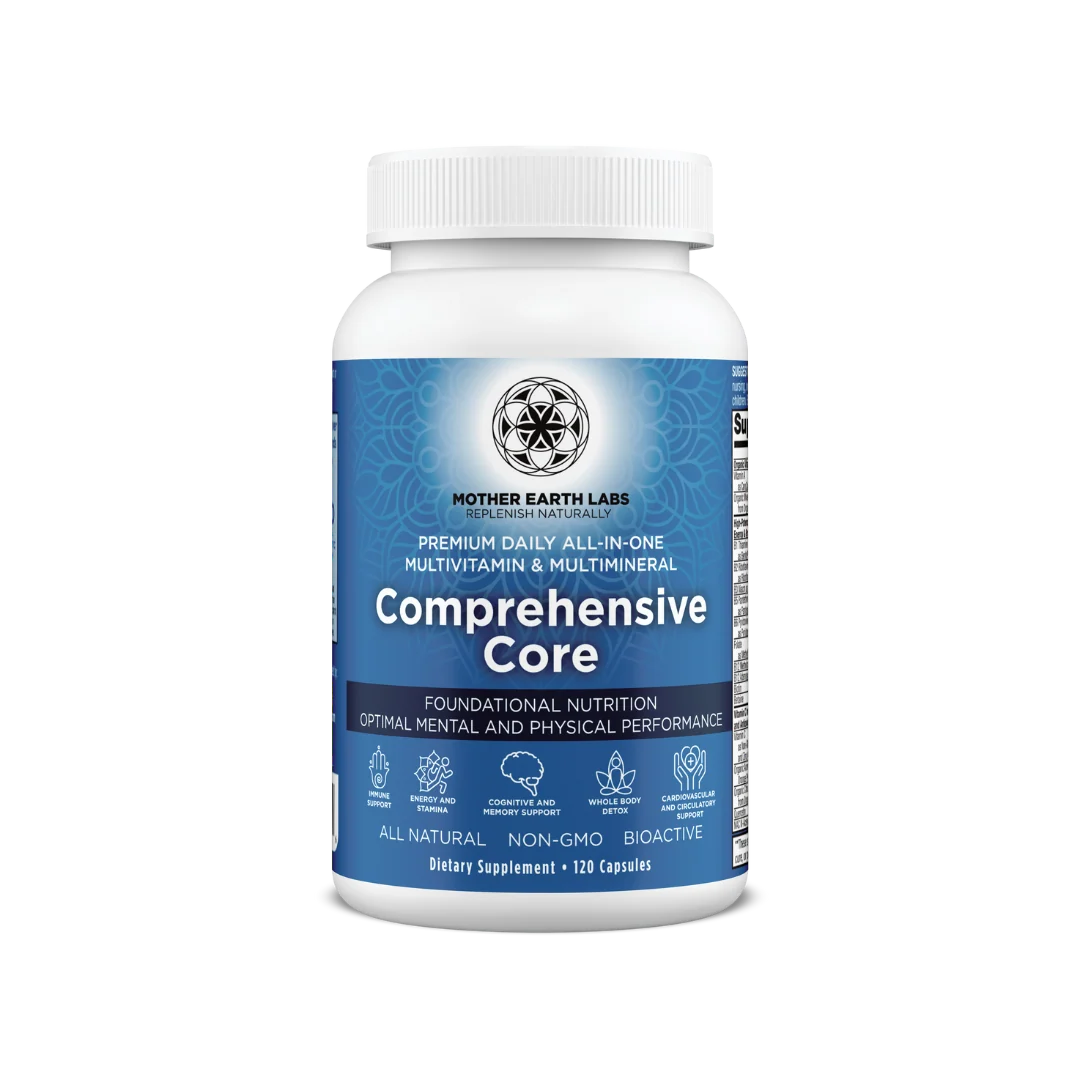 Affiliate Disclosure
Original product photograph; packaging presentation may vary.
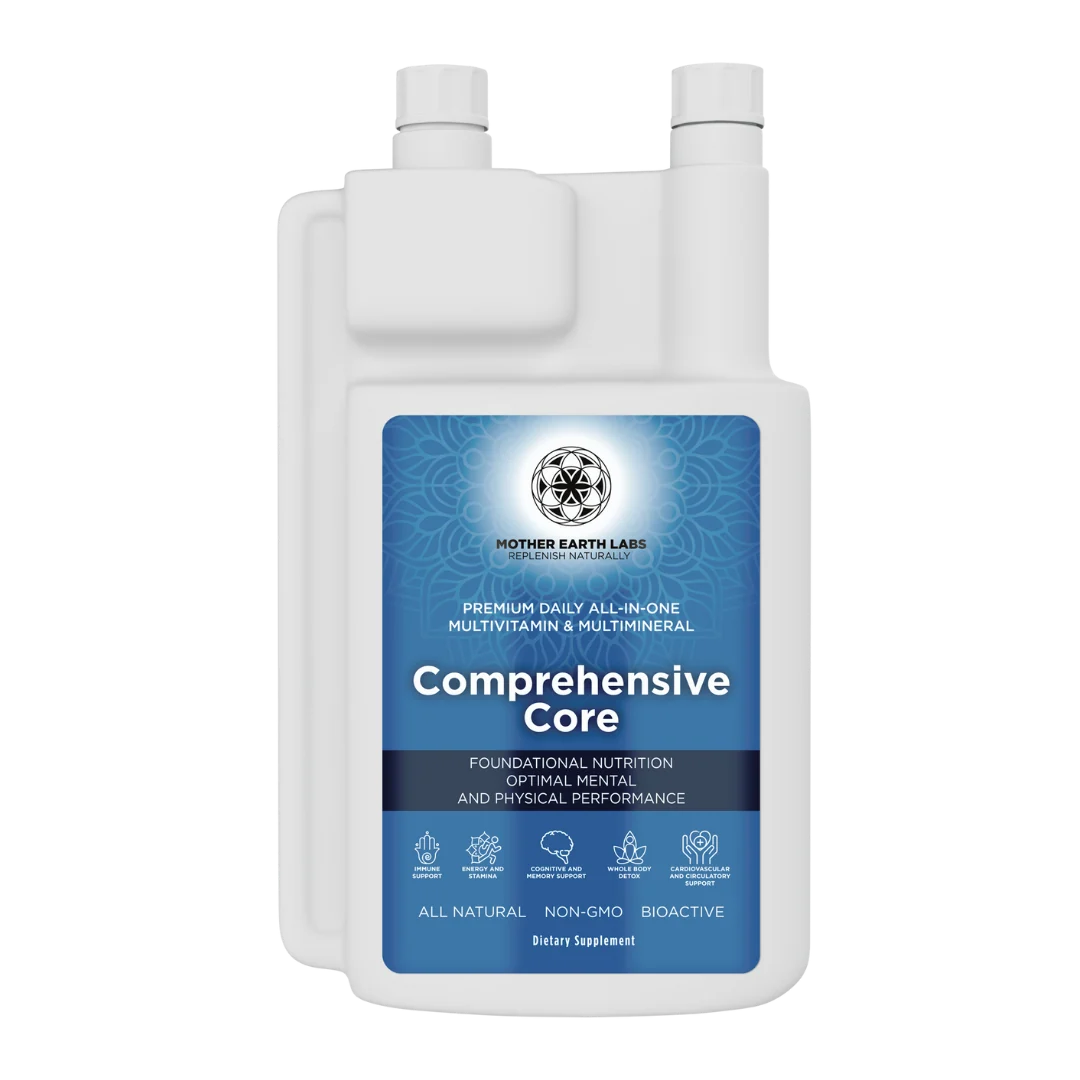 Affiliate Disclosure
Original product photograph; packaging presentation may vary.
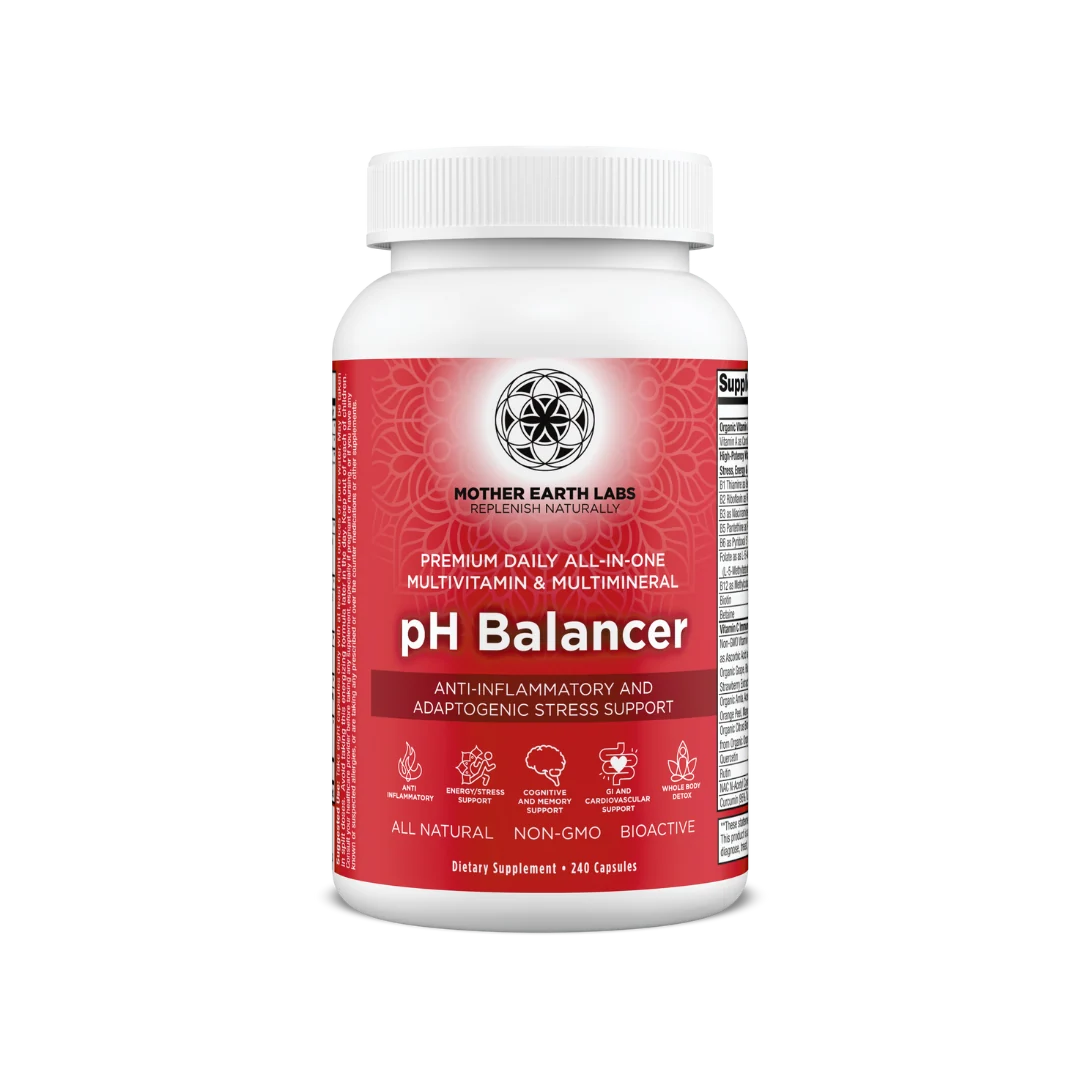 Affiliate Disclosure
Original product photograph; packaging presentation may vary.
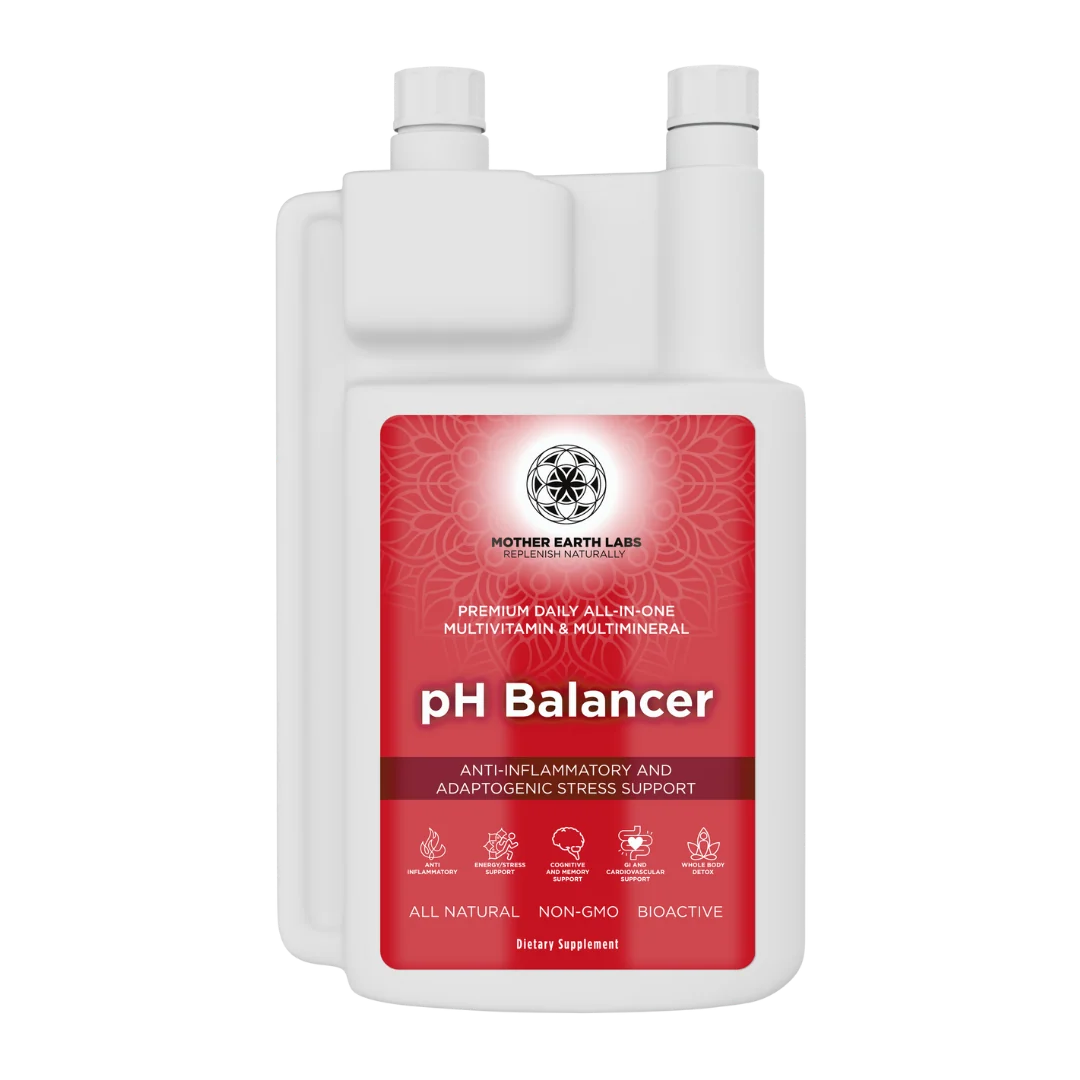 Affiliate Disclosure
Original product photograph; packaging presentation may vary.
Liquid vitamins and capsules at a glance
The format affects how you take and store a supplement. The formulation determines what is in the serving. Keeping those two ideas separate makes comparisons much easier.
| Consideration | Liquid | Capsules |
|---|---|---|
| Taking a serving | Measure the labeled volume with a suitable measuring device. | Count the number of capsules specified for a serving. |
| Personal preference | May suit someone who prefers drinking a serving or has difficulty swallowing capsules. | May suit someone who prefers an encapsulated product and can comfortably swallow the full serving. |
| Portability | Consider bottle size, leak prevention, and any refrigeration directions. | Often convenient to carry; retain the label and protect from heat and moisture as directed. |
| Taste and texture | Flavor, sweetness, and texture are part of the experience. | The shell limits direct contact with most of the contents while swallowing. |
| Storage | Some formulas require refrigeration after opening and shaking before use. | Check the product’s temperature, moisture, and container instructions. |
| Nutrient comparison | Read amounts per full liquid serving. | Read amounts per full capsule serving, which may contain several capsules. |
Start with serving size, then compare nutrient amounts
The large number on a bottle is often the container size or capsule count. The Supplement Facts serving size tells you what the nutrient amounts actually describe.
For example, the pH Balancer label images reviewed for our guide list 1 fl oz (2 tablespoons) for the liquid and eight capsules for the capsule format. A 240-capsule bottle therefore contains 30 labeled servings. A 32-fl-oz quart contains 32 servings at 1 fl oz each.
Those labels also illustrate why format alone is not enough: the liquid lists 300 mg each of calcium and magnesium per serving, while the capsules list 200 mg each per eight-capsule serving. That is a difference in declared nutrient amounts. It is not a measurement of how much either format delivers into the bloodstream.
Use the complete pH Balancer label comparison for the full amounts and forms. Check the current package before making a decision, since formulations can change.
A simple way to compare value
Divide the current purchase price by the number of labeled servings to estimate cost per serving. Then account for shipping and whether you can use the container within its storage and use-after-opening directions. Compare equivalent purchase terms, such as a one-time order with another one-time order. The lowest bottle price may not mean the lowest cost for a comparable serving.
Look beyond “comprehensive multivitamin” on the front label
A comprehensive multivitamin can contain vitamins and minerals alongside herbs, fruit and vegetable ingredients, enzymes, or specialty nutrients. The NIH Office of Dietary Supplements notes that multivitamin/mineral products have no single standard ingredient list. Reading the actual panel is essential when comparing two products or two formats.
Take a few minutes to check:
- Nutrient forms: the ingredient name in parentheses helps identify the chemical source of a vitamin or mineral.
- Amounts and units: distinguish milligrams (mg), micrograms (mcg), and the percentage Daily Value (%DV). Daily Value is a label reference, not a personalized prescription.
- Blend information: a combined blend weight does not disclose the amount of every constituent.
- Other ingredients: liquids may list a liquid base, flavor ingredients, or preservatives; capsules identify their shell and any other ingredients.
- Overlap: include nutrients from your other supplements and fortified foods when reviewing total intake.
Our Comprehensive Core ingredient guide and Comprehensive Core vs. pH Balancer comparison handle the detailed formula questions. This article helps you choose a format and a practical comparison method.
What can we say about absorption?
Being liquid does not, by itself, establish that a multinutrient supplement is better absorbed or produces better results. A useful comparison considers the nutrient, chemical form, amount, formulation, food taken with it, and the person using it. A product-specific absorption claim needs evidence about that product and the outcome being claimed.
Two examples show why the details matter:
- Vitamin D and food: NIH guidance explains that vitamin D is fat soluble and is best absorbed with a meal or snack containing some fat. Meal context matters even when comparing supplement formats.
- Vitamin B12 and amount: NIH’s professional reference describes lower fractional absorption at high supplemental doses. A larger number on a label does not mean the same proportion is absorbed. This concerns dose and nutrient physiology, not proof that one physical format wins.
The words methylcobalamin or citrate describe chemical forms; liquid and capsule describe delivery formats. These are different comparisons. If you have a known absorption disorder or are treating a deficiency, ask your clinician which preparation and route are appropriate.
Convenience, portability, and storage deserve a place in the decision
Picture an ordinary morning
If you prefer a measured liquid serving at home, consider where you will keep the bottle and measuring device. Check taste preferences, shaking instructions, and whether refrigeration after opening fits your routine. Use the labeled measuring method rather than estimating a serving by eye.
If you prefer capsules, consider the full number in a serving and how comfortably you can swallow them. Review the product directions for timing, food, and water. Do not assume a capsule can be opened or a serving changed without checking with the manufacturer or a qualified professional.
Picture a day away from home
For travel or a long workday, capsules can be convenient to carry. Keep enough product information with you to identify the supplement and its directions. With liquids, consider secure transport, the bottle’s size, and keeping it under the storage conditions specified on the label.
For pH Balancer, the reviewed liquid quart label says to shake well and refrigerate after opening. Follow the directions on the product you receive. Storage requirements and use-after-opening periods are product-specific; avoid applying one bottle’s instructions to every liquid or capsule supplement.
Explore Mother Earth Labs examples by product and format
Comprehensive Core and pH Balancer are both offered in liquid and capsule options. They bring together multiple nutrient categories, with differences explained in the foundational guides. Start with the product whose ingredient profile you want to investigate, then compare its available formats.
| Formula | Liquid option | Capsule option |
|---|---|---|
| Comprehensive Core | Explore Comprehensive Core Liquid Quart Affiliate Disclosure | Shop Comprehensive Core Capsules Affiliate Disclosure |
| pH Balancer | Explore pH Balancer Liquid Quart Affiliate Disclosure | Shop pH Balancer Capsules Affiliate Disclosure |
For a shorter introduction to the second formula, read pH Balancer: ingredients, liquid vs. capsules, and what to know. Use the detailed product comparison when your question is about the two formulas rather than their delivery formats.
Finding the best liquid multivitamin with minerals for your routine
The most useful answer to “best” starts with your circumstances. Compare the ingredient profile you want to explore, the serving size, total nutrient intake, storage requirements, and the format you can use consistently. Someone who prefers drinking a serving may value a liquid; someone who regularly travels may value capsules.
Five questions before you choose
- What nutrients and additional ingredients am I actually comparing?
- How much is in one full labeled serving?
- Can I measure or swallow that serving comfortably?
- Can I follow the storage directions at home and away?
- Have I reviewed overlapping supplements, medications, and personal suitability with a healthcare professional where needed?
Supplements complement a varied diet. Seek individualized advice when pregnant or nursing, using medications, managing a health condition, or considering a product with nutrient amounts above general upper intake levels.
Choose a format you understand and can use comfortably
Compare the labels first, then think through a normal day. That combination gives you a sound basis for exploring liquid vitamins and capsules without relying on a universal format ranking.
When you are ready to review the manufacturer’s current product information, choose the exact formula and format below. Each purchasing link opens the product it names.
Find more educational reading in Articles & Research, or contact AskDrRich@coreandbalancer.com.
References and educational scope
- NIH Office of Dietary Supplements: Multivitamin/mineral Supplements — variation in formulations and label interpretation.
- NIH Office of Dietary Supplements: Vitamin D — food and absorption context.
- NIH Office of Dietary Supplements: Vitamin B12 — dose-dependent fractional absorption.
- Mother Earth Labs pH Balancer capsule Supplement Facts and liquid quart Supplement Facts — selected serving and nutrient examples. The displayed label revisions are PB240C1023MEL and PB32B1023MEL; check your current package.
By Dr. Rich Prather, D.C. · Published by Grateful Lab Services. Educational information does not replace individualized medical advice. Manufacturer product availability and displayed labels were checked October 18, 2026. Ingredient research does not establish specific outcomes from these finished formulas. These products are not intended to diagnose, treat, cure, or prevent disease. Privacy Policy.