

Product and label review: October 24, 2026. By Dr. Rich Prather, D.C.
Humic & Fulvic SC Drops offer a compact liquid format with a measured one-milliliter serving. The reviewed 120 mL bottle lists 120 such servings. It may suit someone who prefers a small liquid addition to water and wants an easy-to-pack option alongside an established routine.
In this guide
Keep the travel routine attached to the original label
Take the identified bottle and an appropriate marked measuring device, rather than an unmarked decanted liquid. Confirm the product’s storage requirements for the trip. When using a different concentrate, restart with that label’s amount and units instead of carrying over a remembered drop count.
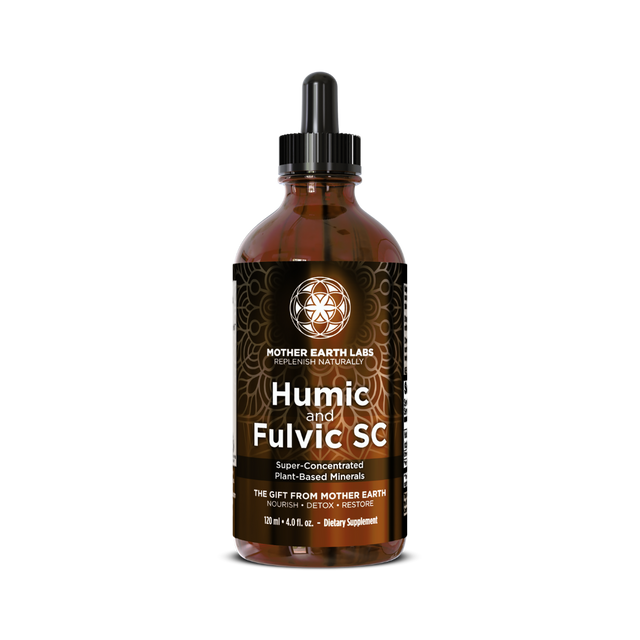
Affiliate DisclosureBuy Now — Humic & Fulvic SC Concentrated Liquid Drops — 4 oz Affiliate Disclosure. Check the current label and availability before ordering.
Why would you take humic and fulvic?
People consider humic and fulvic supplements when they want to support gut health, make good use of the nutrients in their diet and support the body’s natural waste-processing functions. Mother Earth Labs formulates this line around those everyday wellness goals.
- Gut health: the aim is to support the intestinal environment and its community of helpful microorganisms, often called the gut microbiome.
- Nutrient absorption: this means moving nutrients from food and supplements into the body, where they can be used. Humic and fulvic substances can associate with minerals; this interaction helps explain the interest in them as nutritional ingredients.
- Natural detoxification and antioxidant support: these are the manufacturer’s intended support roles for the formula. In everyday terms, detoxification refers to the body processing and eliminating waste, while antioxidant support concerns protecting cells from oxidative stress.
The SC liquid drops may suit someone who wants the combined humic-and-fulvic formula in a compact liquid format, using the bottle’s own measured serving directions.
Purpose and product details: Mother Earth Labs product information.
Current label at a glance
| Label entry | Amount or format |
|---|---|
| Serving | 1 mL |
| Servings per container | 120 |
| Declared ingredient | Humic/fulvic liquid preparation including naturally occurring minerals |
| Other ingredient | Purified water |
Small-volume convenience is the practical starting point
The reviewed bottle contains 120 mL and lists 120 one-milliliter servings. At the labeled maintenance direction, that represents 120 days for one adult. It is a compact option for someone who prefers a liquid and finds a small graduated portion easy to manage.
SC identifies MEL’s super-concentrated line. The practical comparison starts with the one-milliliter serving, the ingredient declaration and the instructions supplied with this bottle. An exact conversion to capsules or regular liquid would require matched composition information.
If you are moving from the regular liquid to SC drops, treat it as a new measuring routine. Read the new bottle from the beginning. Carrying forward an old ounce serving into a dropper product would confuse two very different directions.
One milliliter is a marked volume, not a drop count
The label calls one milliliter approximately one dropper. Use the graduation to verify the amount instead of assuming one squeeze always draws the same volume. The amount in a dropper can change with technique, the tube and the liquid level in the bottle.
An individual drop is much smaller than a milliliter and is not a universal standard. Drop size depends on the liquid and dispensing tip. A carefully measured milliliter is therefore more useful than a remembered count borrowed from another supplement.
If the supplied marking is unclear, ask the manufacturer or pharmacist about an appropriate oral measure. Keep the product identity and serving unit attached to the routine. “One dropper” written without the product name can be ambiguous when several bottles are in use.
What the preparation contains
The current ingredient entry is humic and fulvic acids including natural plant-based macro and trace ionic minerals, with purified water. The serving line quantifies the liquid preparation in milliliters. It does not quantify a dry fulvic fraction or each individual mineral.
For the ingredient’s chemical background, IHSS explains humic and fulvic fractions as complex materials separated according to chemical behavior. This helps explain why a volume, a combined mass and a percentage are different kinds of information.
MEL describes the product as supporting nutrient absorption, gut health and natural detoxification. That gives its intended nutritional category. Keep those themes connected with the specific preparation and your goal of use rather than treating the name as a complete nutrient panel.
Read concentration claims with a useful checklist
Ask which ingredient is concentrated, whether the label supplies its amount and what comparison the concentration claim uses. One milliliter of a preparation can be a perfectly clear serving even when the panel does not allow a dry-mass conversion.
The capsule lists a 325 mg combined ingredient entry, while this label lists one milliliter of the liquid. Converting between those entries would require more composition data. A conversion based only on bottle size or the words super-concentrated would create a precision the label does not provide.
For a useful everyday setup, keep three things together: the identified bottle, its directions and a suitable marked milliliter measure. If you are comparing a particular mineral amount, ask for that nutrient’s documented concentration as a separate specification.
What the studies help us understand
A laboratory beverage study found measurable mineral and antioxidant differences among fulvic preparations. It did not test health outcomes for these drops.
An early clinical investigation studied another fulvic material. Neither finding establishes equivalence between MEL’s liquid and capsule servings. A source-specific product description remains the sound basis for a comparison.
A compact bottle and a measured liquid portion are clear format features for someone who has chosen this product category. The studies cited here provide background on defined fulvic materials; they do not establish a nutrient-absorption percentage for these drops.
A workable home-and-travel routine
Shake before use, as the label directs, and take the measured serving with or followed by pure water. Avoid putting the dropper tip in contact with the mouth or a shared drinking vessel. Replace the closure securely after the portion is measured.
For travel, keep the original bottle, directions and lot identification together. A small bottle may be easier to pack, but check the rules of the particular transport provider rather than assuming all liquids or containers are treated the same. Keep it protected according to the product’s storage instructions.
For a seven-day trip at the labeled one-milliliter daily amount, the planned volume is 7 mL. Check the amount remaining in the original bottle before packing, and keep its directions and lot identification available.
Personal review without an overcomplicated routine
Have your pharmacist review any medicines and needed timing. The label’s approximate half-hour suggestion cannot establish a safe interval for every medicine. Discuss medical conditions, pregnancy or nursing where relevant, using the full current label.
Keep a simple record of use and the manufacture or use-by date. The reviewed label refers to two years from manufacture, not a new two years after opening. If changing from capsules to drops, update the supplement list so the old format is not inadvertently continued as well.
Questions readers ask
Can I put more water with the measured milliliter? Follow the delivered mixing instructions and any personal fluid guidance. The amount of product is the measured milliliter; additional permitted drinking water changes dilution.
Does 120 servings mean 120 droplet-sized drops? No. It refers to 120 measured one-milliliter servings in the full bottle.
Why choose drops instead of capsules? A preference for liquid, compact packing and a small marked serving may make drops convenient. Compare that routine with the capsule’s premeasured count and choose the format that fits your individual plan.
Making an informed choice
SC drops offer small-volume liquid convenience when a graduated milliliter suits you. A clear measuring method and the exact bottle’s directions make that advantage useful, while a format change should always prompt a fresh reading of the label.
Ingredient background and related reading
Explore Humic and fulvic extracts, Fulvic acid in the Nutrient Dictionary.
A drop, a dropperful or one milliliter: read the marked measure
Sources and further reading
Official product information and current label
International Humic Substances Society: ingredient chemistry
Laboratory analysis of fulvic beverages
Early human study of a different fulvic preparation
Educational information about nutrition and product use. Supplements are not intended to diagnose, treat, cure or prevent disease; individual needs and responses vary.