
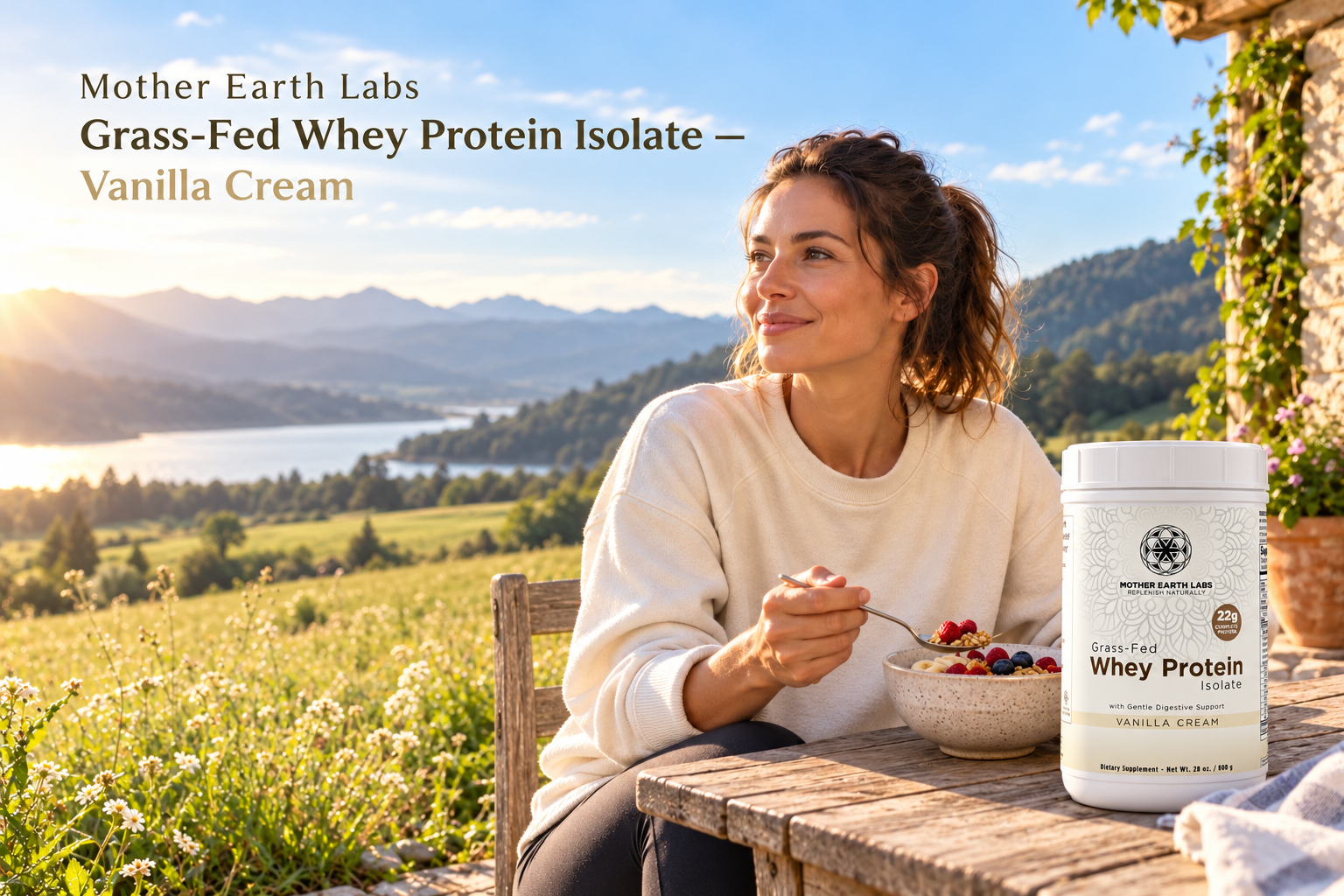
Product and label review: October 24, 2026. By Dr. Rich Prather, D.C.
MEL’s Vanilla Cream whey isolate supplies 22 g protein per labeled scoop and offers a flexible option for drinks or divided recipes. One scoop shared evenly between two portions contributes about 11 g protein to each. This guide explains portioning, the whey ingredient and the other label details to compare.
In this guide
A two-portion example
If you divide one labeled scoop evenly between two servings of a recipe, the powder contributes approximately 11 g protein to each. Any milk, yogurt or other food adds its own nutrition. If the portions are unequal, the protein contribution will be unequal too; measuring helps when that difference matters.
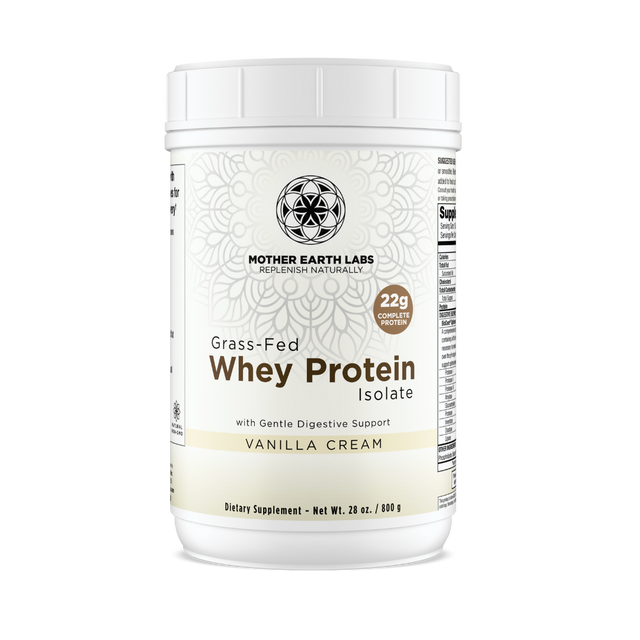
Affiliate DisclosureBuy Now — Grass-Fed Whey Protein Isolate — Vanilla Cream Affiliate Disclosure. Check the current label and availability before ordering.
Current label at a glance
| Label entry | Amount or format |
|---|---|
| Serving | 1 scoop; 30 servings |
| Protein | 22 g |
| Calories | 111 |
| Total carbohydrate | 1 g |
| Total sugars | Less than 1 g |
| Whey protein isolate ingredient | 24.5 g |
| Creatine MagnaPower ingredient | 1,000 mg; not 1,000 mg pure creatine |
| Flavor | Vanilla Cream |
Why vanilla can work beyond the shaker
A mild vanilla flavor can be useful in yogurt, a smoothie or a prepared food you already enjoy. The manufacturer permits adding the powder to foods as well as mixing it with a beverage. Choose the food first, then decide what protein contribution is missing, so a supplement serves the meal rather than becoming an automatic extra.
For example, a breakfast that already contains eggs or yogurt may need a different addition from a fruit-only drink. Count all the ingredients together. The powder supplies protein, but the rest of the meal determines its fiber, total energy and variety of nutrients.
Sweetness and texture depend on the food and liquid used. Begin with a familiar recipe and keep the powder amount clear, then adjust the preparation to your preference. That makes it easier to decide how the vanilla format fits your meals.
A simple portion worksheet
One scoop divided equally between two portions contributes about 11 g protein to each. Two scoops divided into four portions also contribute about 11 g per portion. In both cases, add the protein already present in yogurt, milk or the other ingredients to find the total.
The same arithmetic applies to the rest of the powder’s listed nutrients. The current 111-calorie scoop would contribute about 55.5 calories to each of two equal portions, before adding the food itself. An estimate is useful when portions are reasonably even; it is not a laboratory analysis of a homemade recipe.
For a shared batch, write down the scoop count and number of portions when you prepare it. This avoids accidentally treating every bowl as a full 22 g protein serving. Use the supplied scoop and the label on the delivered jar.
What the whey isolate entry means
Whey is the milk-derived protein fraction used here. Isolate processing concentrates protein relative to other milk components. Hydrolysis describes the breakdown of protein into smaller pieces; it is a different concept from concentration. An isolate can also be used with enzymes, but those terms should not be treated as synonyms.
The current panel separately lists 24.5 g whey protein isolate ingredient and 22 g protein per serving. Those entries answer different questions. The BCAA line and amino-acid list describe aspects of the formulation; they are not an instruction to count those amino acids on top of the declared protein a second time.
For someone building meals around protein, this distinction is helpful: count the 22 g toward protein, then build the meal around appropriate foods and fluids. A vanilla shake with water alone has a very different nutritional profile from a meal containing vegetables, fruit, fats and other food groups.
Protein supports maintenance as well as training
Protein is used in the ongoing maintenance of muscle and other tissues, not only on workout days. A consistent food routine can therefore be more useful than treating protein as a product needed only after a hard session. Food preferences, appetite, activity and a person’s medical situation all affect the plan.
A systematic review of protein supplementation with resistance training found additional improvements in muscle mass and strength across trials. This supports an appropriate protein contribution alongside training, while the review did not test this vanilla formula or show that powder is necessary when food already meets a person’s needs.
Use the shake as an option when it solves a practical problem: a rushed meal, difficulty assembling a protein-containing snack or a preference for a measured addition. There is no requirement to replace foods you enjoy and tolerate just because a powder is available.
Enzymes, flavor ingredients and personal fit
The label includes ProHydrolase and BioCore Optimum, with enzyme activities listed separately. The small ProHydrolase-and-whey study in ten trained men compared whey with and without 250 mg ProHydrolase and found similar blood amino-acid responses between those conditions. That research examined exercise-related measurements; the label identifies the enzyme preparations used in this powder.
Other ingredients include digestion-resistant prebiotic fiber, sunflower lecithin, natural vanilla flavoring and stevia. Their presence does not supply an independently declared dietary-fiber amount for the scoop. If you track fiber, use verified fiber entries rather than counting every gram of powder as fiber.
The product remains milk-derived. Avoid it with milk-protein allergy, and ask for individual advice if you have a prescribed protein restriction or kidney condition. Check the whole panel when combining several activity supplements, because the listed Creatine MagnaPower is another ingredient in the blend.
Choosing the jar and keeping the routine simple
The current vanilla label lists an 800 g jar and 30 servings. The chocolate jar has a different net weight, while both list 22 g protein per serving. Compare delivered cost per labeled serving and your expected use, rather than deciding from jar weight alone.
Close the container after measuring, follow storage instructions and use a clean, dry scoop. For foods prepared ahead, follow the food’s own storage and food-safety requirements. Supplement powder does not extend the safe storage period of a mixed meal.
Questions readers ask
Can I use half a scoop? A half scoop contributes approximately 11 g of the listed protein if the powder is measured proportionately. It also halves the other ingredient amounts; it is a portion of the product, not a full labeled serving.
How should I choose between vanilla and chocolate? Both reviewed panels list 22 g protein per serving. Choose the flavor that suits your recipes and preferences, then compare the exact ingredient panel for any personal restrictions.
Can this replace breakfast? It can contribute protein to breakfast. Whether the complete meal meets your needs depends on everything else included; a scoop alone does not establish a balanced meal.
Making an informed choice
Vanilla Cream is a flexible protein addition for someone who wants to build foods and drinks around a known amount. Thoughtful portioning and a complete meal picture make the product easier to use well than a scoop count considered on its own.
Ingredient background and related reading
Explore Whey protein isolate, Hydrolyzed whey protein in the Nutrient Dictionary.
Whey isolate and hydrolyzed protein explained
Sources and further reading
Official product information and current label
Protein and resistance-training evidence
ProHydrolase and whey exercise study
Educational information about nutrition and product use. Supplements are not intended to diagnose, treat, cure or prevent disease; individual needs and responses vary.